Best Photo Spots in Obidos: Medieval Fairy Tale in Photos
Óbidos is the kind of place that looks like it belongs in a storybook. This tiny walled medieval town, perched on a hilltop an hour north of Lisbon, has been enchanting visitors for centuries with its whitewashed houses, cobblestone lanes draped in bougainvillea, and a castle that now serves as a luxury hotel. For photographers, Óbidos is a compact treasure chest of colour, texture, and history that rewards every angle and every hour of light.
This guide covers every essential photo spot in Óbidos, with tips on timing, composition, and how to capture the fairy-tale atmosphere that makes this town so special.
Looking for a professional photographer who knows every hidden corner of Óbidos? Browse our Óbidos photographers and book a session in one of Portugal's most magical settings.
3 photo spots in Obidos — click a pin to open the full guide
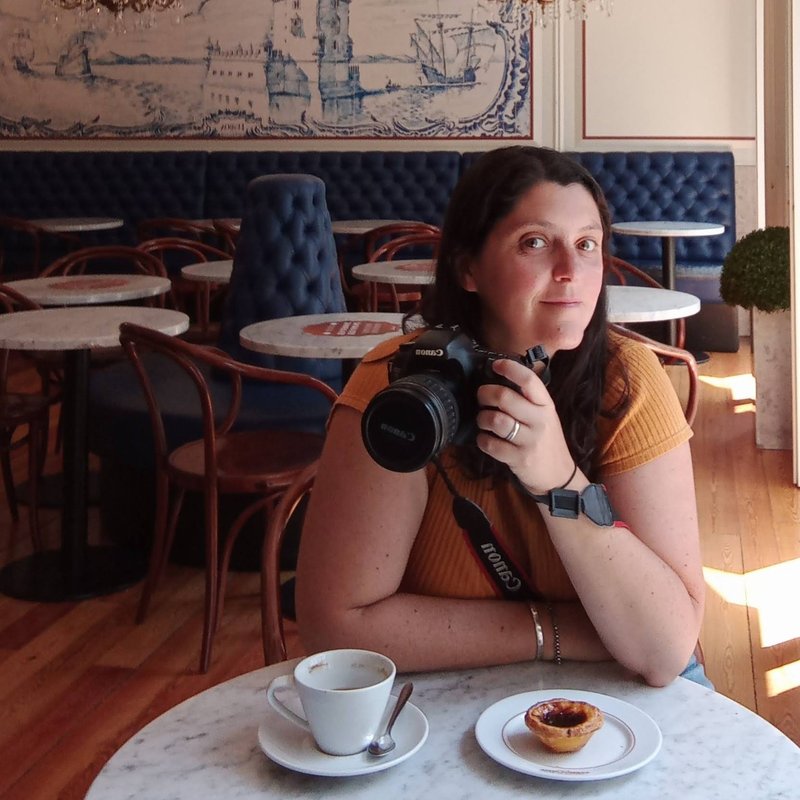
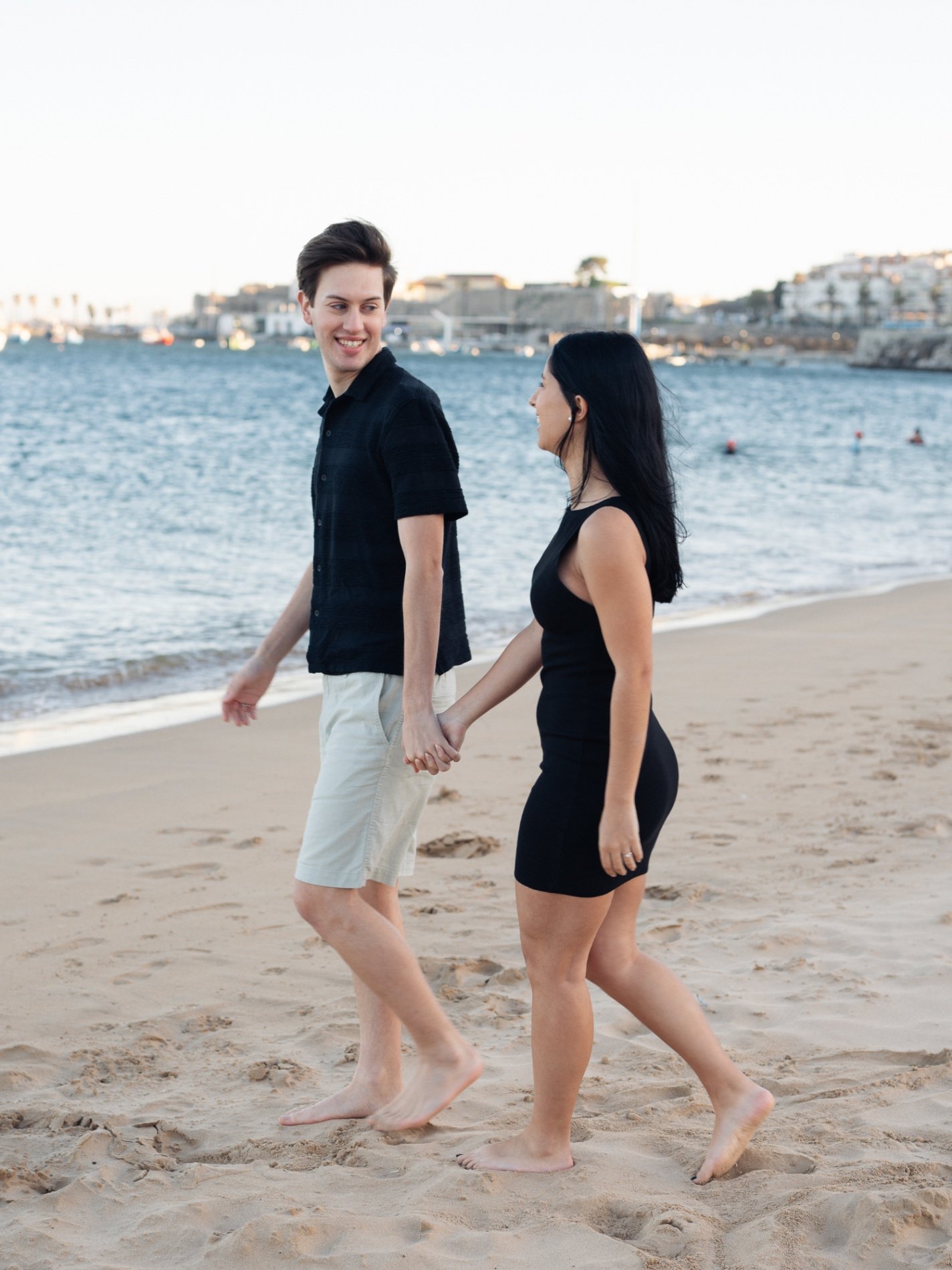
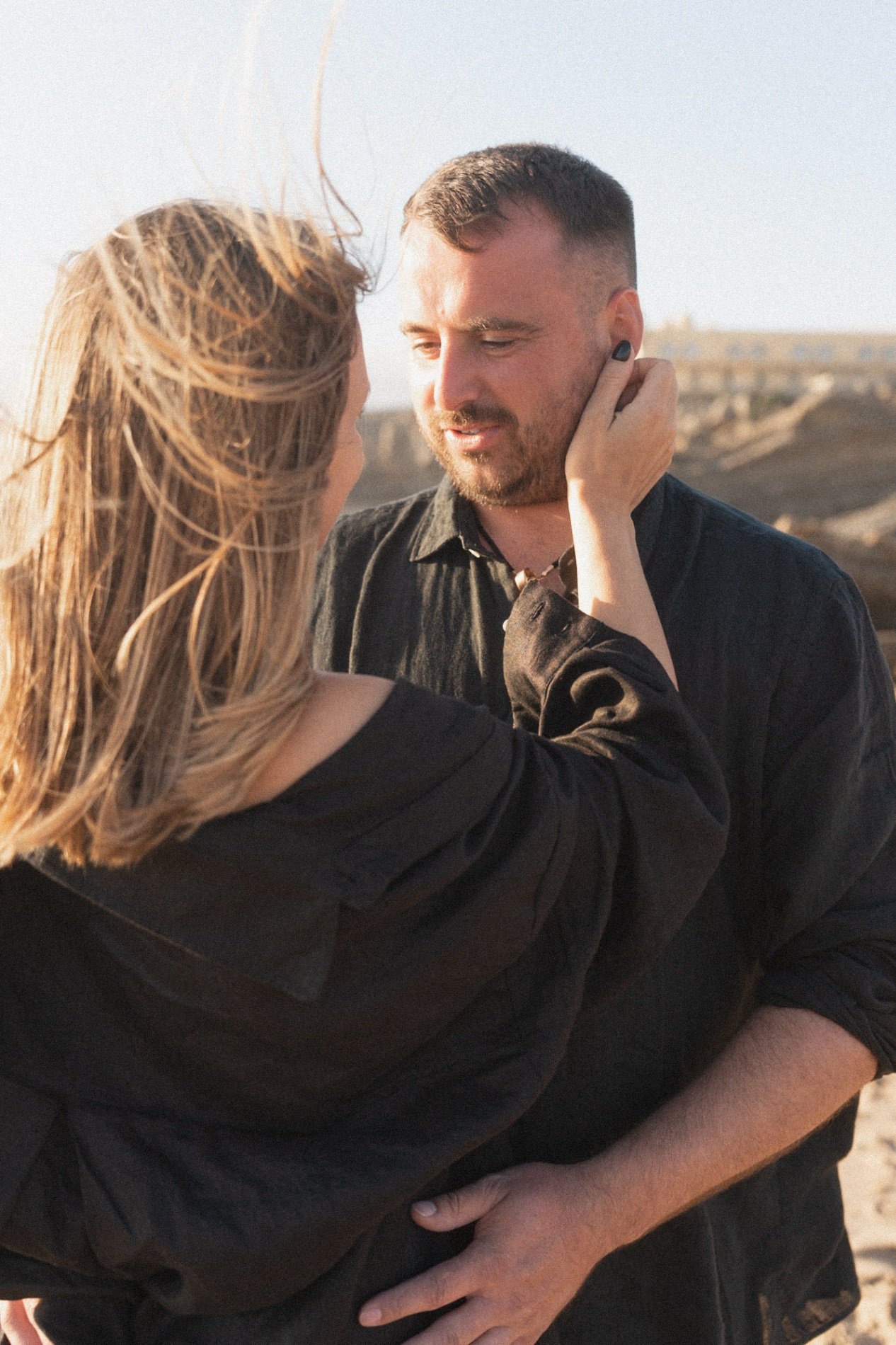
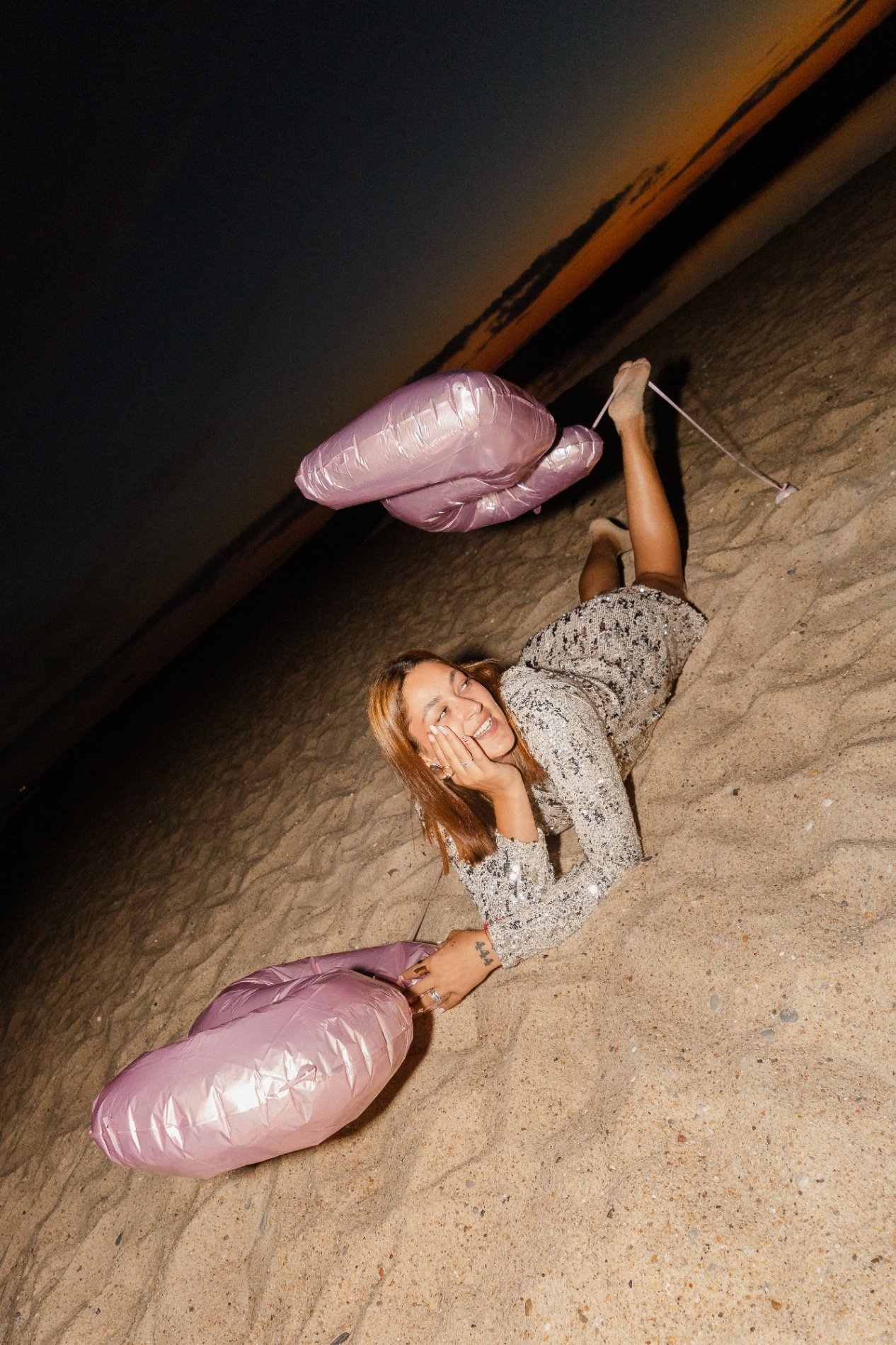
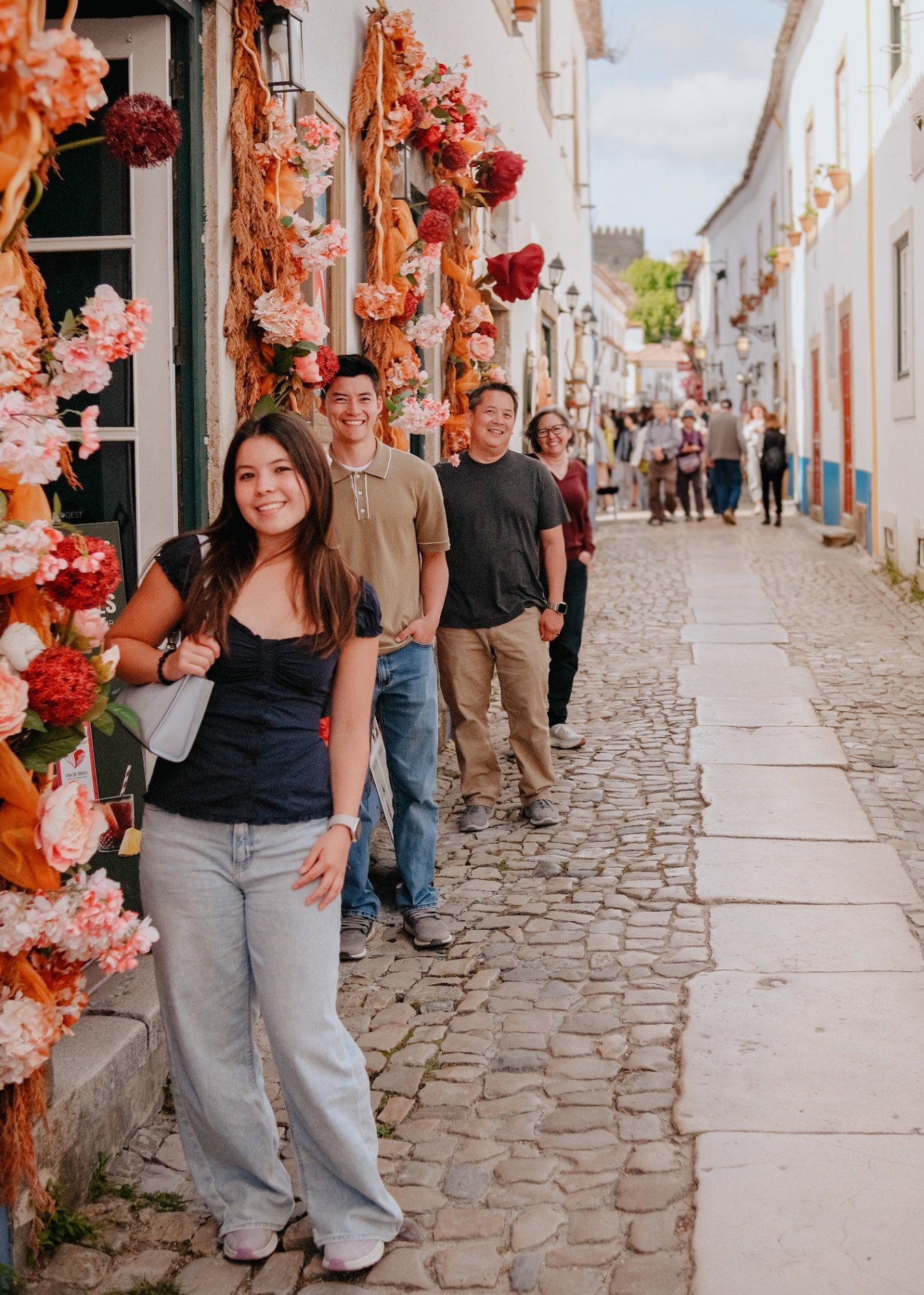
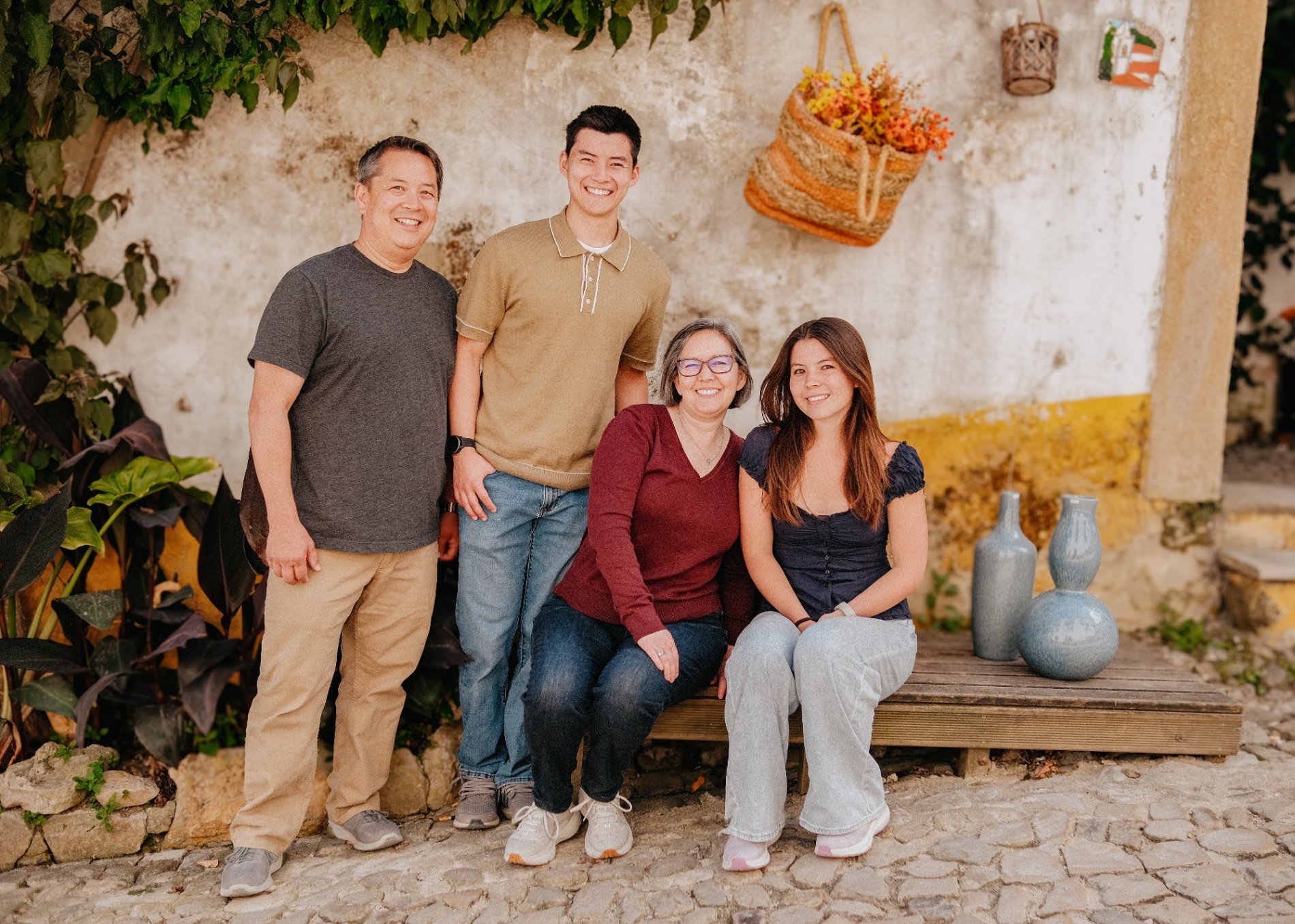
Real shots from Obidos

Why Is Óbidos Considered One of Portugal's Most Photogenic Towns?
Óbidos has been a royal wedding gift, a literary village, and a perfectly preserved medieval settlement all wrapped into one. The entire town is enclosed within 14th-century walls, and inside those walls almost nothing has changed in appearance for hundreds of years. Whitewashed houses are trimmed in vivid blues and yellows, terracotta roofs cascade down the hillside, and flowers spill from every window box and doorway.
The town is small enough to walk end to end in 15 minutes, yet dense enough with photographic subjects that you could spend an entire day shooting and still find new compositions. The enclosed, car-free nature of the old town means there are no modern distractions to break the medieval atmosphere.
The Castle Walls: Walk the Ramparts for Panoramic Views
The medieval walls that encircle Óbidos are one of the town's defining features and one of the best photo opportunities. You can walk along the top of the walls for most of their length, gaining elevated views over the terracotta rooftops, the surrounding countryside, and the castle at the far end.
Tips for Photographing from the Walls
- Start at the main gate (Porta da Vila) and walk south towards the castle. The views improve as you gain height.
- Morning light is ideal for the eastern-facing sections of the wall, where the warm sun hits the rooftops below.
- Late afternoon bathes the western walls and castle in golden light.
- Safety note: The walls have no railings in many sections and can be narrow and uneven. Watch your step, especially if you are looking through a viewfinder.
- Use a wide-angle lens for sweeping panoramas and a medium telephoto for compressing the layers of rooftops.
- The walls are less crowded early in the morning and in the last hour before closing.
The Castle
The Castelo de Óbidos, now a Pousada (historic luxury hotel), anchors the southern end of the town. Its towers and crenellated walls are photogenic from outside, and the terrace area near the castle entrance provides excellent views over the town and surrounding landscape. Even if you are not staying at the hotel, the exterior areas are accessible.
Porta da Vila: The Grand Entrance
The Porta da Vila is the main gateway into Óbidos and one of the most photographed entrances in Portugal. The double-arched gate leads through a short tunnel decorated with 18th-century blue-and-white azulejo tiles depicting the Passion of Christ. Emerging from the tunnel, you step into a scene that has barely changed since the Middle Ages.
How to Photograph the Porta da Vila
- From outside: The gate facade, with the town walls extending on either side, makes a classic establishing shot.
- Inside the tunnel: The azulejo tiles lining the walls create a beautiful blue-and-white frame for the bright, sunlit street visible at the far end. This contrast of dark tunnel and bright exit is a striking composition.
- From inside the town: Looking back through the gate from the first stretch of Rua Direita frames the entrance beautifully and captures the sense of stepping between two worlds.
Rua Direita: The Main Street
Rua Direita is the central artery of Óbidos, running from the Porta da Vila to the main church square. This narrow pedestrian street is lined with whitewashed shops, ginjinha (cherry liqueur) bars, artisan studios, and cafés. Flowers cascade from upper-floor windows, and colourful painted details trim every doorway.
Photography Tips for Rua Direita
- Early morning (before 9:00) is essential if you want the street without crowds. Óbidos is a popular day-trip destination, and by mid-morning the street is packed.
- Look up: Some of the best details are above eye level: window boxes overflowing with geraniums, hand-painted tiles, and decorative ironwork.
- Doorways and alleys: Turn into any side lane for quieter compositions. The narrow passages between houses often lead to unexpected viewpoints or charming dead ends.
- The ginjinha sellers: The cherry liqueur served in small chocolate cups is unique to Óbidos. Capturing someone sipping from a chocolate cup with the medieval street behind them makes a wonderful cultural image.
Church of Santa Maria
The Igreja de Santa Maria, on the main square near the southern end of Rua Direita, is Óbidos' most important church. The interior features walls covered in stunning 17th-century blue azulejo tiles and a painted wooden ceiling that rewards upward-looking photography.
What to Photograph at Santa Maria
- The azulejo walls: The blue-and-white tile work covering the interior walls is breathtaking. A wide-angle lens captures the full scope of the decoration.
- The painted ceiling: Lie or crouch to get a straight-up shot that shows the full ceiling composition.
- The main square outside: The Praça de Santa Maria, with the church facade, the medieval pillory, and surrounding buildings, is a picturesque gathering point.
- Interior light: The church is relatively bright for a Portuguese interior. Midday, when light streams through the windows, illuminates the tiles beautifully.
Cherry Liqueur Shops (Ginjinha de Óbidos)
Óbidos is famous for its ginjinha, a sweet cherry liqueur traditionally served in a small cup made of dark chocolate. The ginjinha shops and bars along Rua Direita are colourful and atmospheric, with their bottles, barrels, and handwritten signs.
How to Capture the Ginjinha Experience
- Focus on the details: the dark chocolate cups, the ruby-red liqueur, the hands of the person pouring.
- Include the shop context: rustic wooden counters, barrel decorations, and the cheerful atmosphere.
- Capture the moment of tasting: the expression of surprise and delight as someone bites into the chocolate cup.
- The contrast of the deep red liqueur against the white-and-blue town creates a natural colour story.
What clients say about this kind of shoot
Wonderful photographer! She took beautiful photos that we loved. Also went above and beyond to be flexible and work with us. 100% recommend!
— Client on Nadiya K.
Absolutely wonderful! Creative, brings great energy, helpful and a lovely experience for my best friends hen weekend!
— Sofia Berglin on Tatiana O.
Nadya, you’re simply magical ✨ I keep looking at the photos over and over again! Thank you so much for being you! I’m so happy I didn’t give up while looking for a photographer. We came to Portugal for the first time with our friends, and I was looking for someone who would be able to truly see us, to feel us! And I don’t regret for a single moment that I trusted you. Thank you from the bottom of my heart ❤️
— Client on Nadiya K.
I've had a look at them myself already! Wonderful photos! They turned out so warm and heartfelt! Thank you so much! You've captured these memories for us. They turned out so beautiful!!
— Client on Nadiya K.
Nadya! This is incredible…😭❤️ I was looking at the photos, and I had tears of happiness from the immense gratitude I feel towards you for giving my parents unforgettable emotions ❤️🙏🏻 Thank you! My parents are absolutely thrilled!
— Client on Nadiya K.
Working with Nadya was such a blast! She was so easy going and flexible with our family of 12. She came with great ideas and was very excited and open to anything we threw her way. She had great spirits all around and her pictures just captured all the moments and then some of our family. Everyone absolutely LOVES them and we are so happy with our product. THANK YOU!!!
— Client on Nadiya K.
What Is the Best Time of Day to Photograph Óbidos?
Óbidos faces roughly north-south within its walls, and the narrow streets create interesting light patterns throughout the day:
- Sunrise (6:30 to 8:00 in summer): The town is empty and peaceful. The eastern walls and rooftops catch the first warm light. This is the best time for atmospheric, crowd-free images.
- Mid-morning (9:00 to 11:00): Light fills the streets from above, ideal for the colourful facades and flower details. Crowds begin to arrive.
- Midday (12:00 to 14:00): Harsh overhead light but good for the azulejo-decorated interiors of the gate and church. The streets are busy.
- Golden hour (17:00 to 19:00 in summer): Warm side-light illuminates the western facades and the castle. The day-trip crowds begin to thin.
- Sunset and blue hour: The town takes on a magical quality as artificial lights appear in windows and the sky turns deep blue behind the castle silhouette.
What Is the Best Time of Year to Visit Óbidos for Photography?
Óbidos is photogenic year-round, but each season brings a different character:
- Spring (March to May): Flowers are at their peak, with bougainvillea, wisteria, and geraniums covering the facades. The light is soft and warm. This is the ideal season for Óbidos photography.
- Summer (June to August): Long days and reliable sunshine, but the town is very busy with tourists. Shoot at the margins of the day for the best results.
- Autumn (September to November): Warm golden light, fewer visitors, and a more relaxed atmosphere. The medieval market in some years adds colourful period costumes and decorations.
- Winter (December to February): The Christmas Óbidos Vila Natal festival transforms the town with lights, decorations, and a festive market inside the walls. It is a unique and magical time to photograph, though it is very busy.
How Long Do You Need to Photograph Óbidos?
Óbidos is small, and many visitors come for just a few hours as a day trip from Lisbon. However, to truly capture the town at its best, plan to stay for at least a full day. Arriving the evening before and staying through the following morning gives you two golden hours with minimal crowds, which makes all the difference to your images.
If you combine Óbidos with nearby Nazaré (30 minutes north), you can create a varied two-day photography itinerary covering medieval architecture and dramatic Atlantic coastline.
Can You Fly a Drone in Óbidos?
Drone regulations in Portugal require registration and compliance with local no-fly zones. Óbidos is a densely populated heritage area, and flying over the town centre may be restricted. Check the current Portuguese aviation authority (ANAC) regulations before flying. If permitted, aerial views of the walled town from above are spectacular, showing the terracotta rooftop pattern within the walls like a jewellery box.
Should You Hire a Professional Photographer in Óbidos?
Óbidos is one of the most romantic settings in Portugal, and many couples choose it for engagement photos, anniversary sessions, or simply beautiful travel portraits. The fairy-tale atmosphere, with flower-draped streets, medieval walls, and warm golden stone, creates images that feel timeless.
A professional photographer who knows Óbidos will lead you to the quiet corners, the perfect light, and the compositions that elevate your photos from snapshots to art. They know which side streets are quieter, when the light hits the castle just right, and how to use the town's compact layout to capture a variety of looks in a single session.
Browse our Óbidos photographers and book a session in one of Portugal's most enchanting medieval towns.
Final Tips for Photographing Óbidos
- Arrive early or stay late. The difference between Óbidos with and without crowds is dramatic.
- Wear comfortable shoes with grip. The cobblestones and wall walkways can be slippery.
- Bring a versatile lens. A 24-70mm covers most situations, from tight street scenes to wider wall panoramas.
- Try the ginjinha. It is part of the Óbidos experience and makes a great photo subject.
- If visiting in summer, carry water and sunscreen. The walls offer no shade.
- Visit the bookshops. Óbidos is a designated Literary Village, and several buildings have been converted into atmospheric bookshops, including one inside a former church.
Óbidos is proof that great things come in small packages. This tiny walled town delivers more photographic magic per square metre than almost anywhere else in Portugal. Take your time, explore every lane, and let the fairy-tale atmosphere work its charm on your camera.
Related Reading
- Best Time to Visit Portugal for Photography: Month-by-Month Guide — find the perfect season for your Óbidos visit
- Couples Photoshoot in Sintra: A Fairytale Romance Session — another fairy-tale setting for romantic photos, just an hour away
- How Much Does a Photoshoot in Portugal Cost? Complete 2026 Guide — pricing details for professional sessions across Portugal
- Browse All Our Photographers — find the right photographer for your Óbidos session
- Book Your Photoshoot — capture the medieval magic of Óbidos with a professional photographer
Want professional photos in Obidos?
Browse portfolios, compare packages, and book a verified local photographer in minutes.