What to Wear for Your Photoshoot in Portugal
What you wear to your photoshoot matters more than you might think — not because there are rules, but because the right outfit choices can make a noticeable difference in how your final images look and feel. The colours, textures, and fit of your clothing interact with the location, the light, and the architecture around you.
After photographing hundreds of sessions across Lisbon, Porto, and the Algarve, here is what I have learned about what works (and what to avoid) in Portugal.
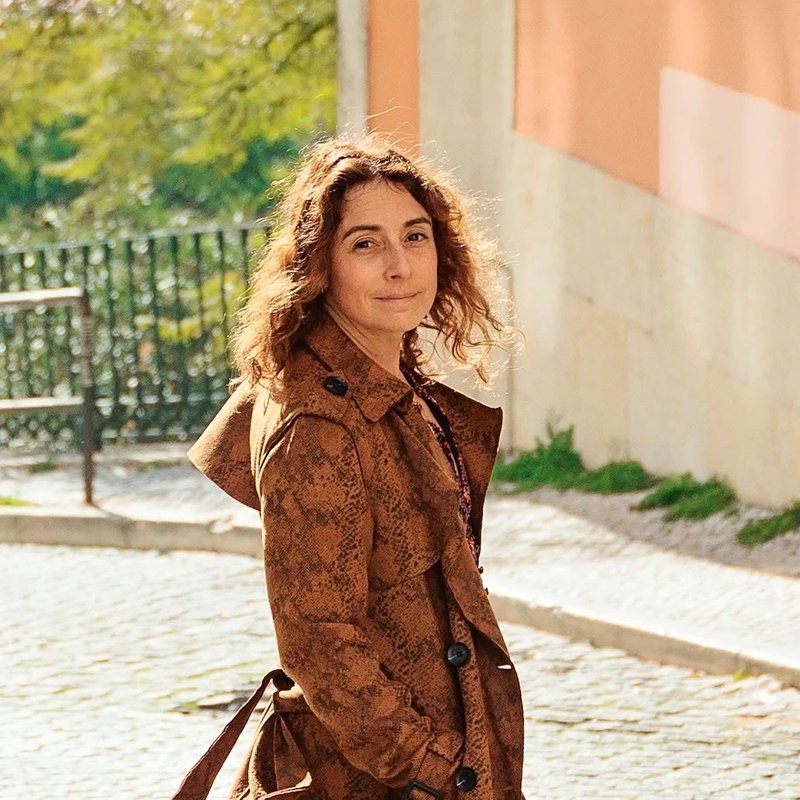
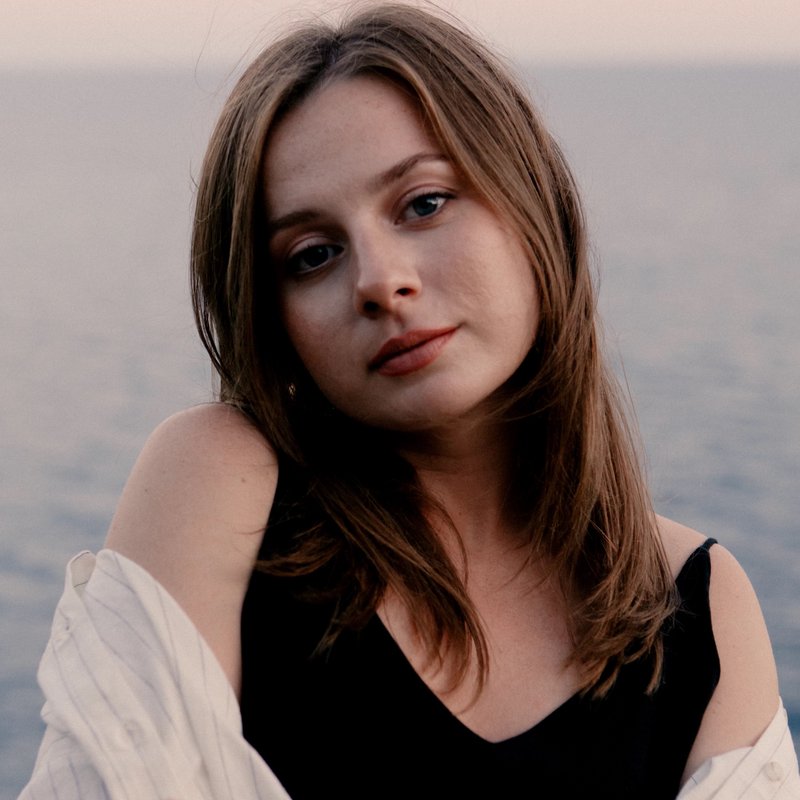
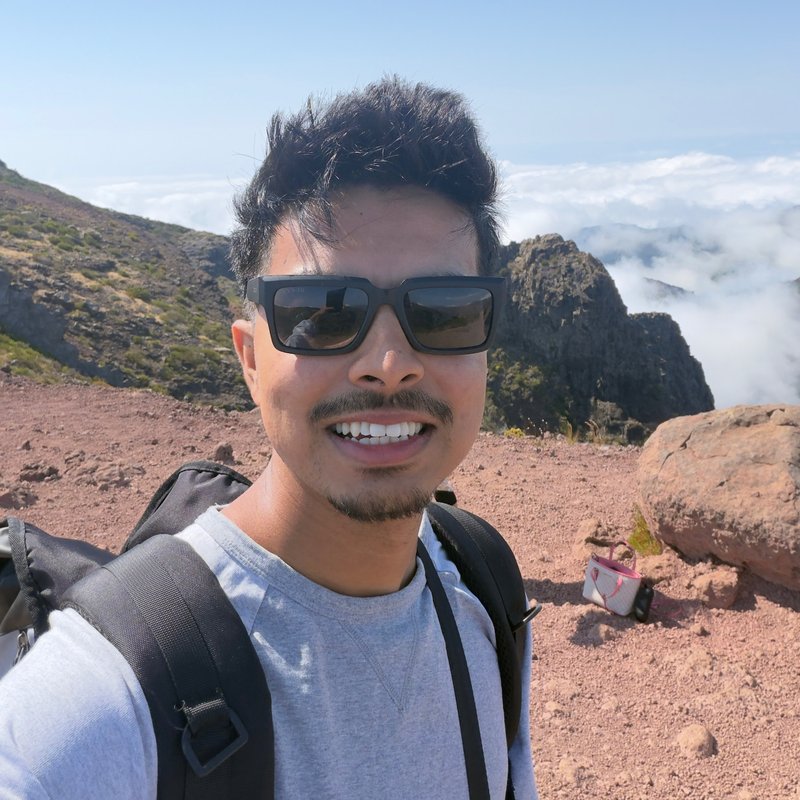
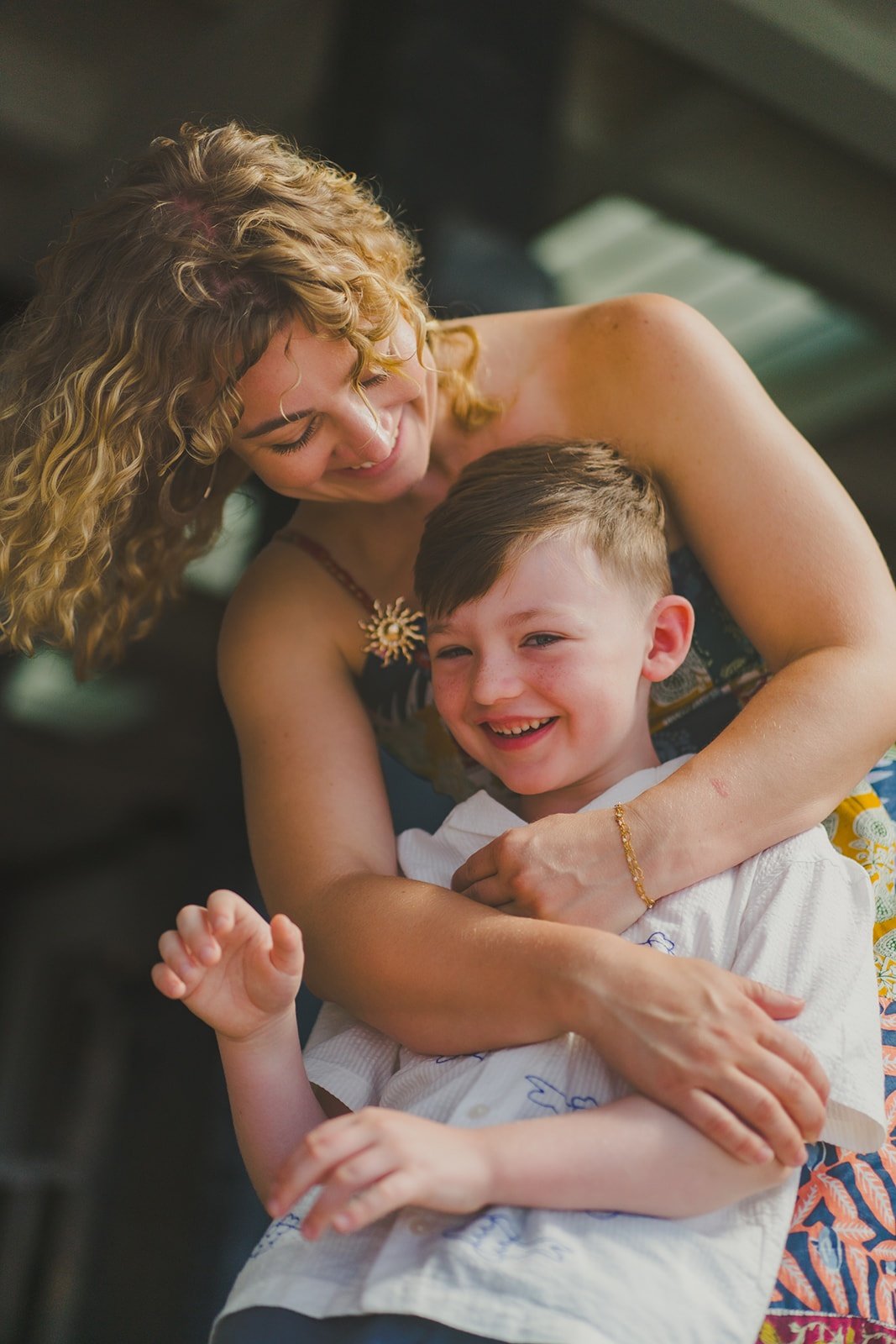
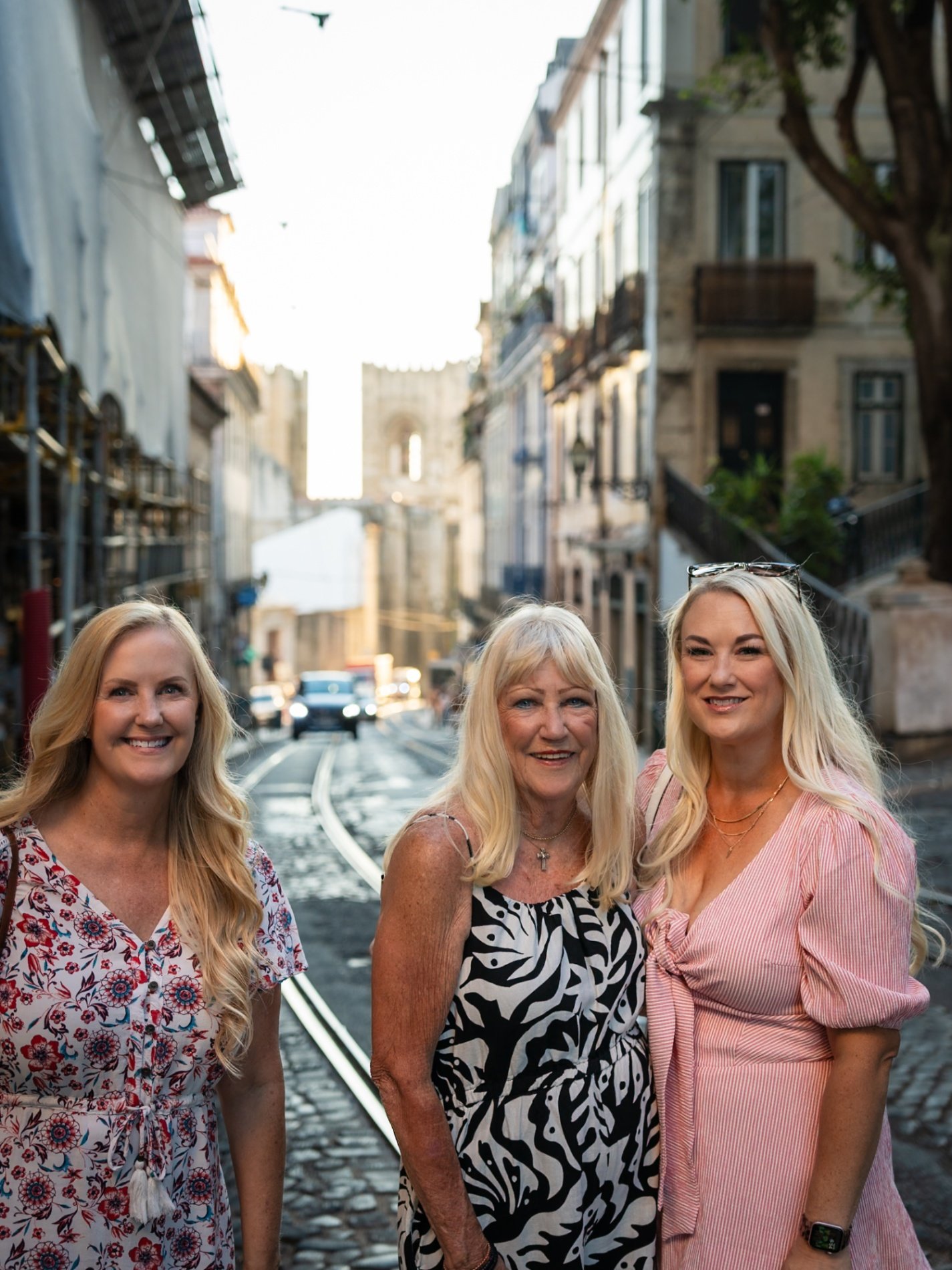
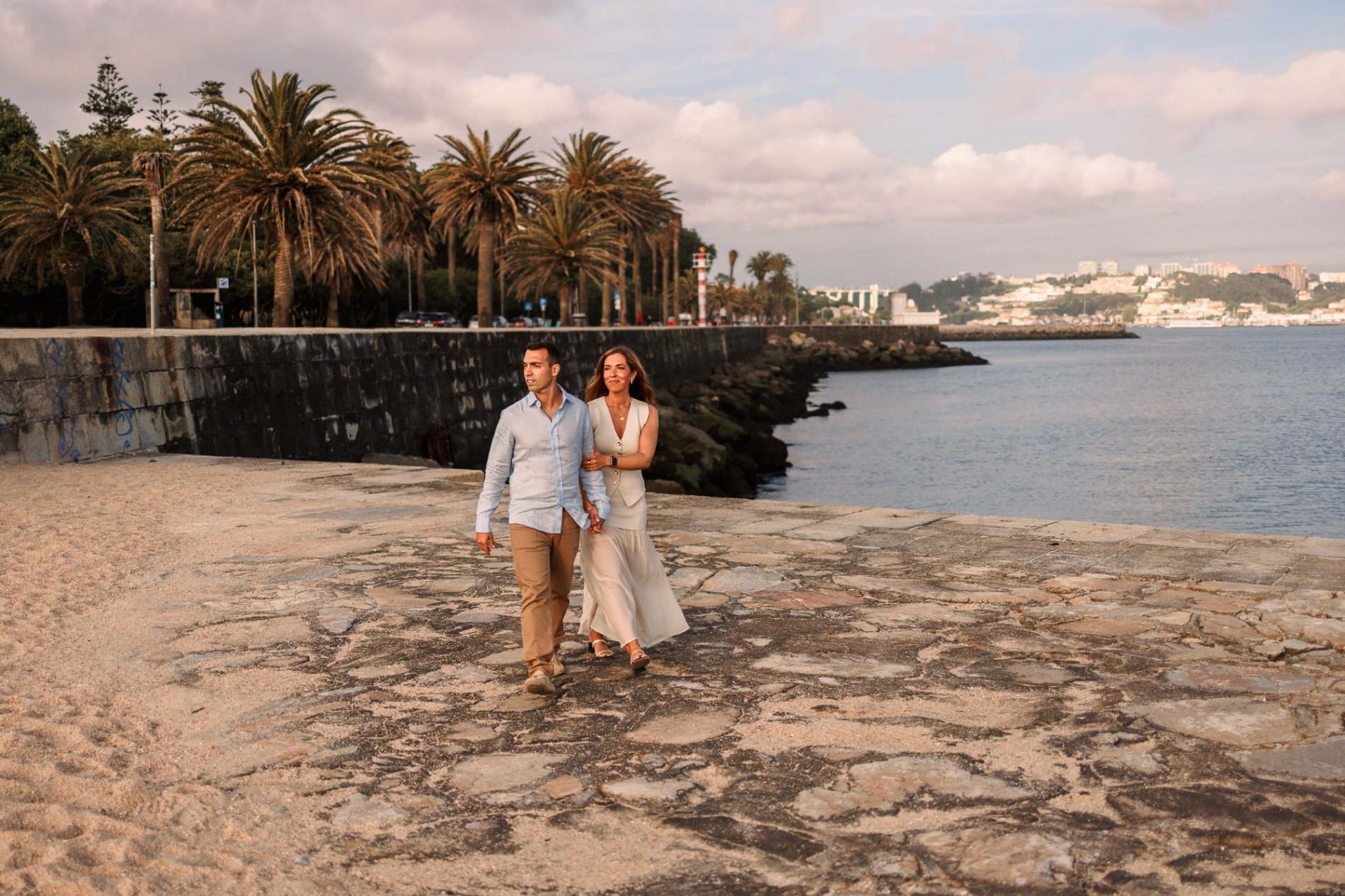
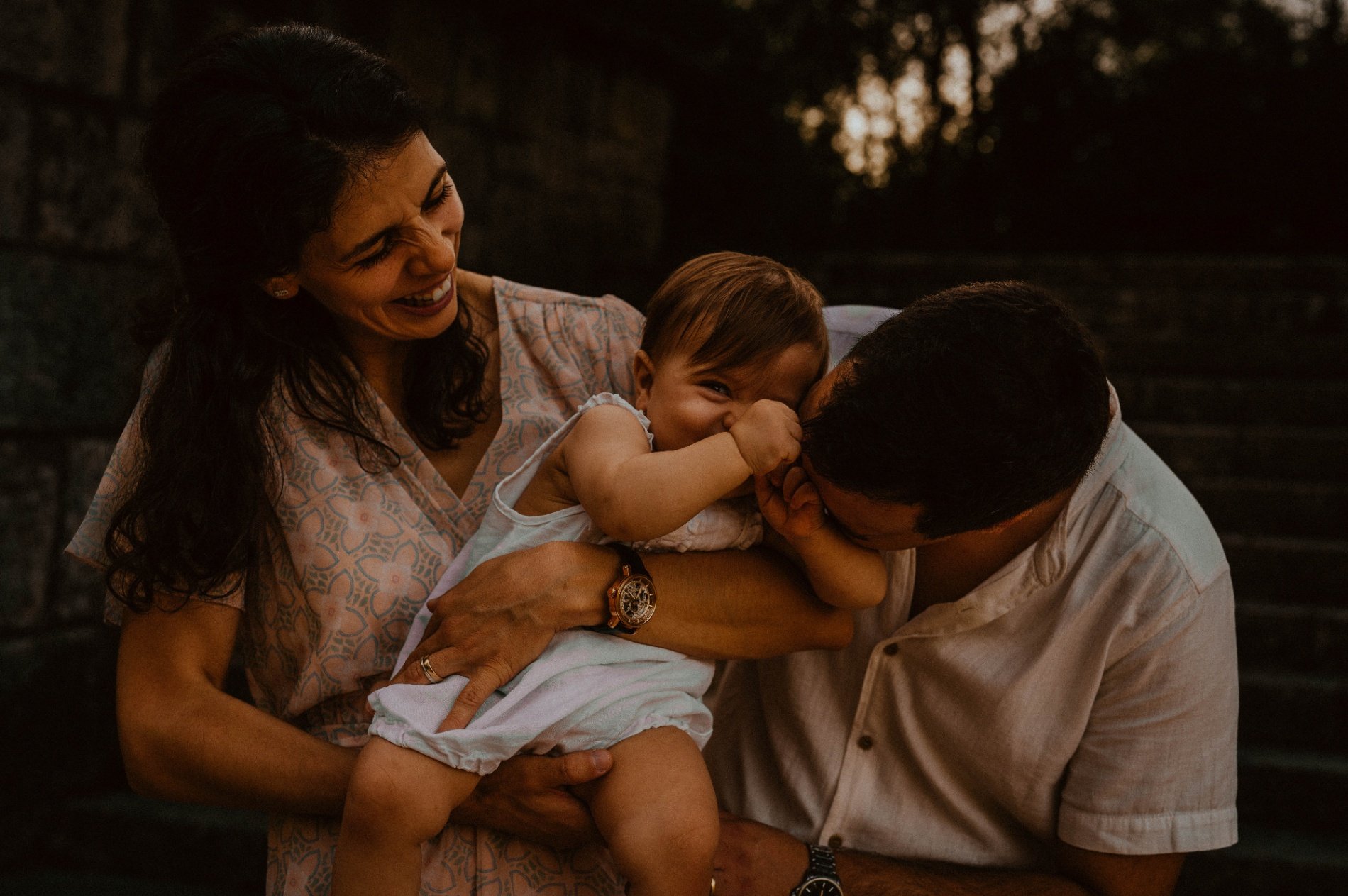
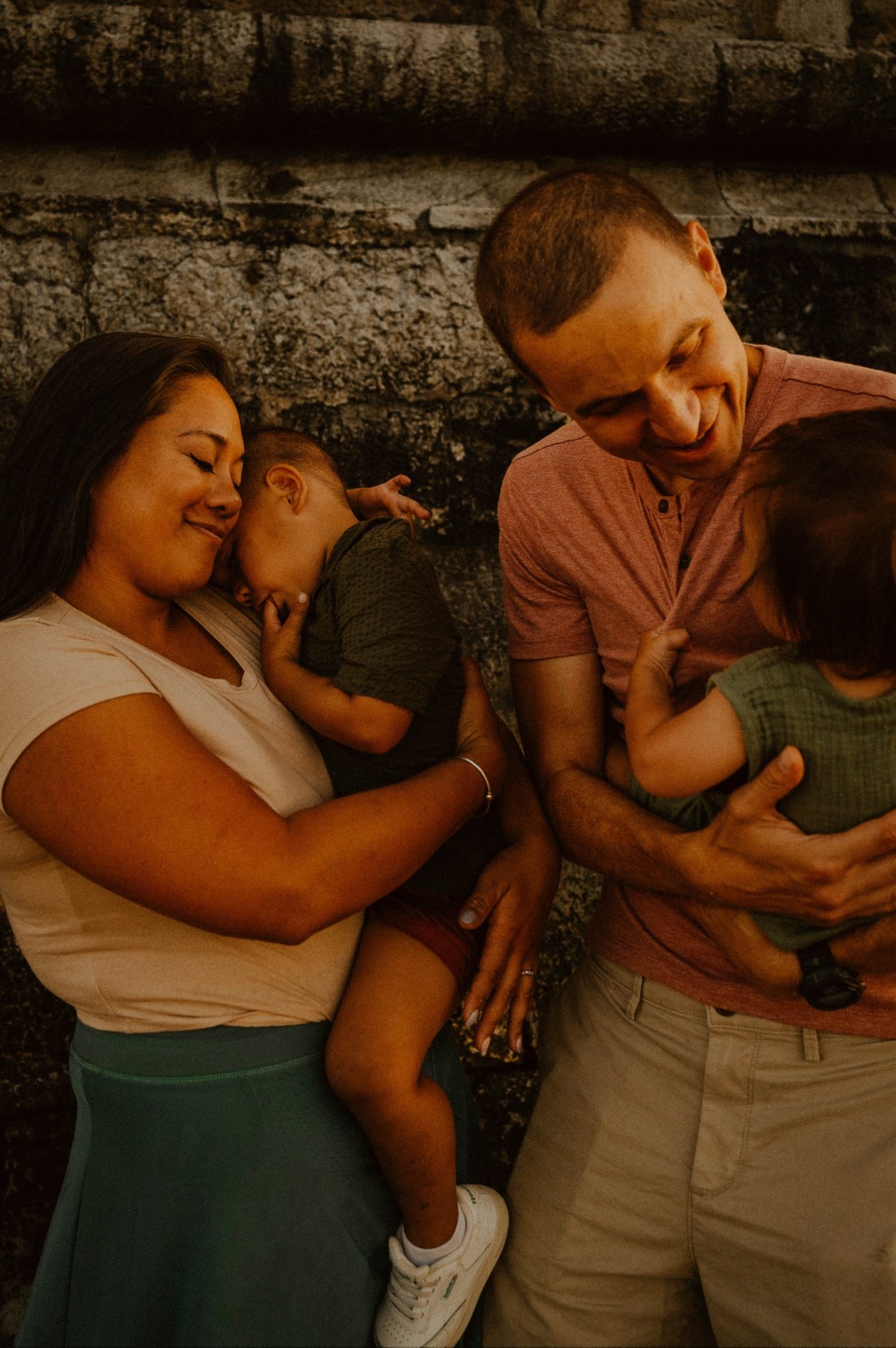
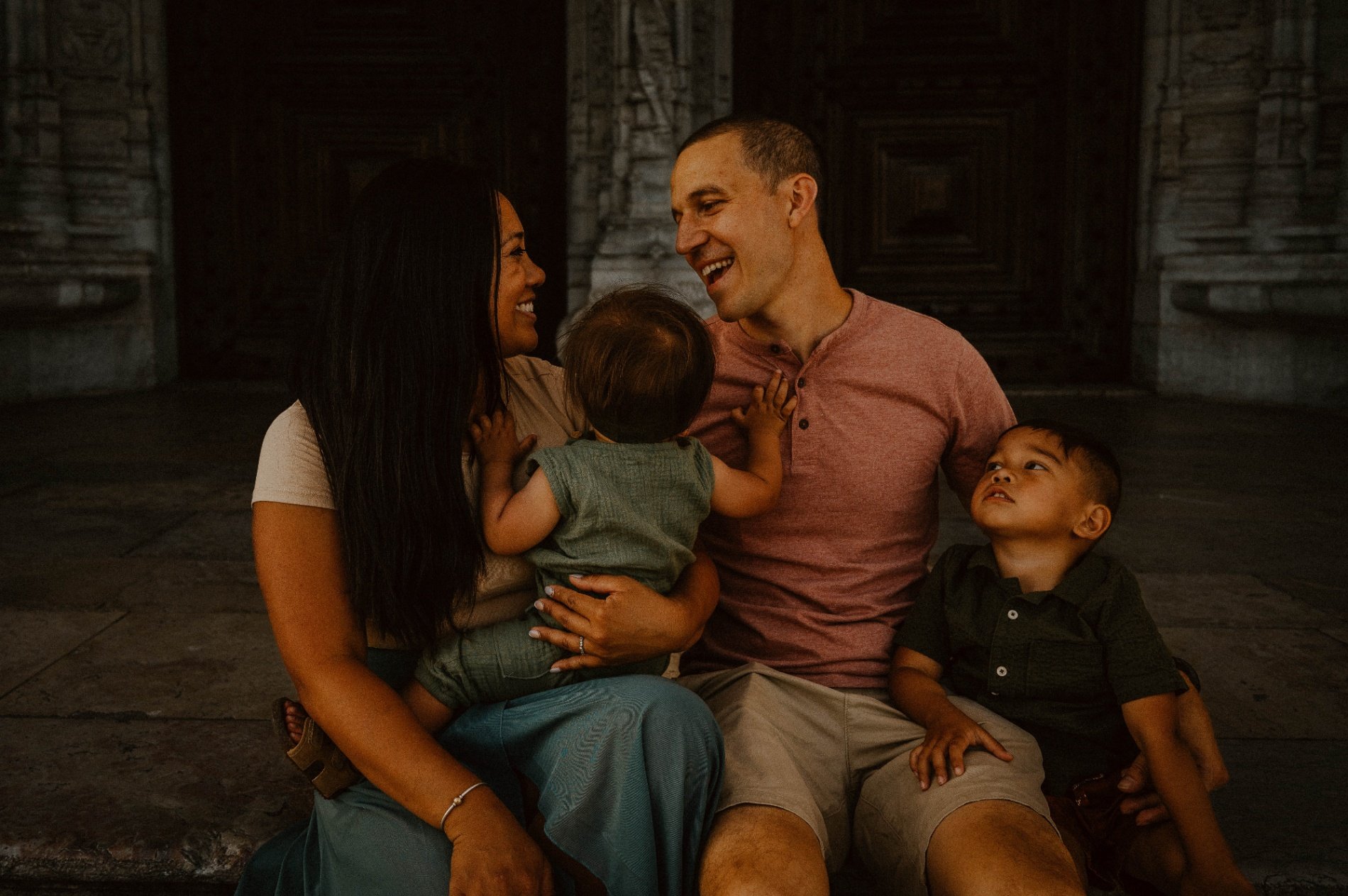
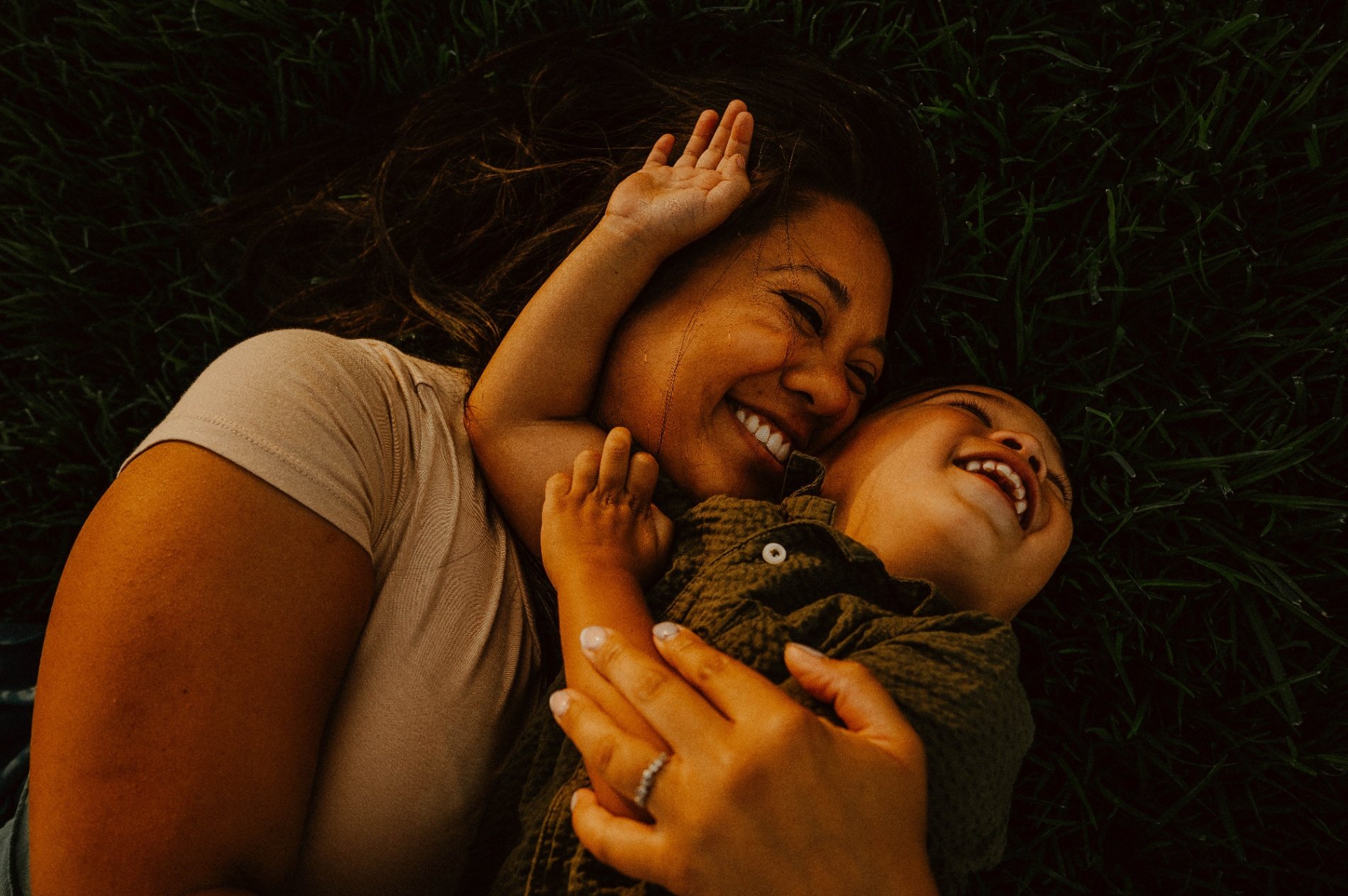
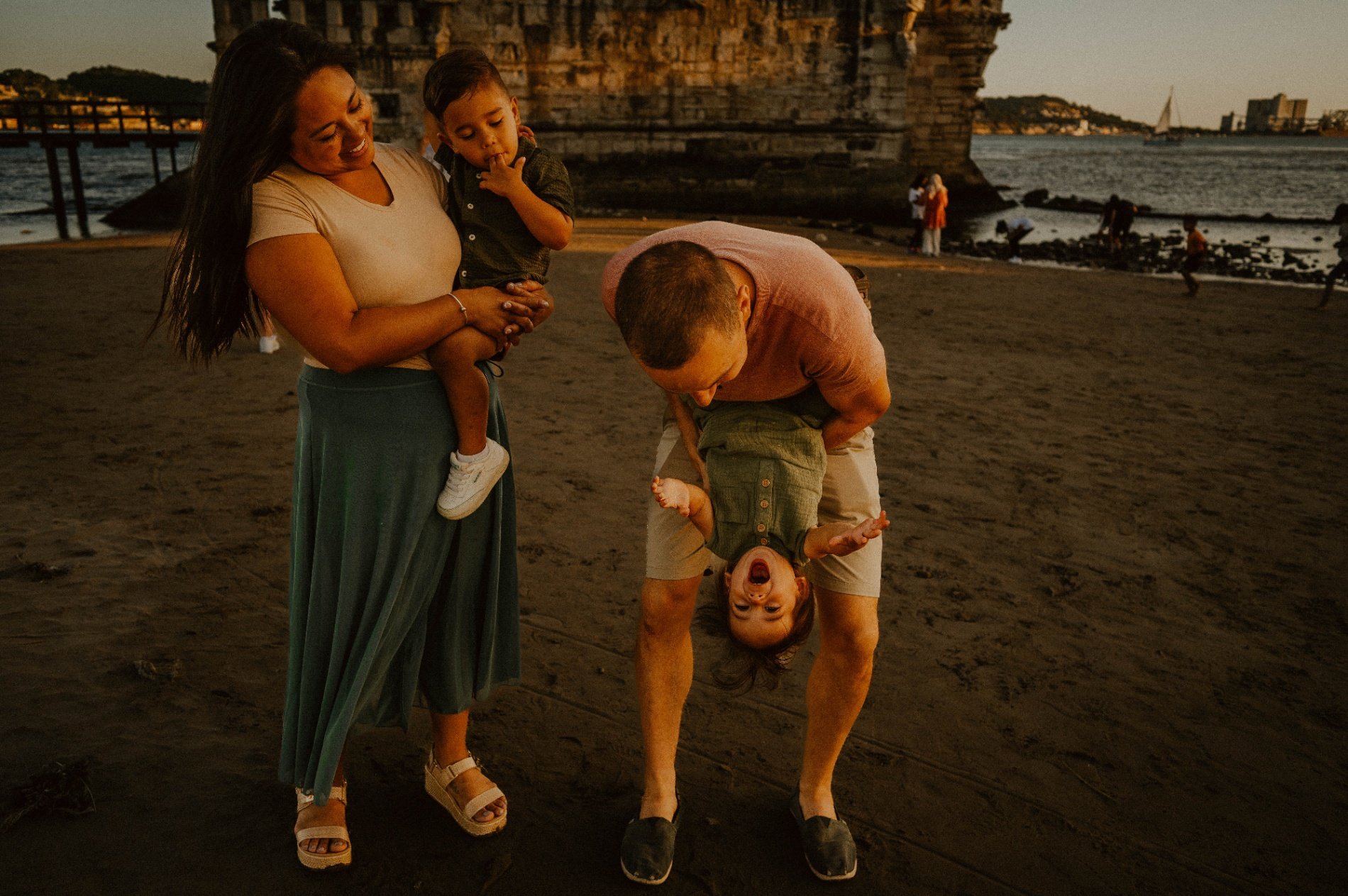
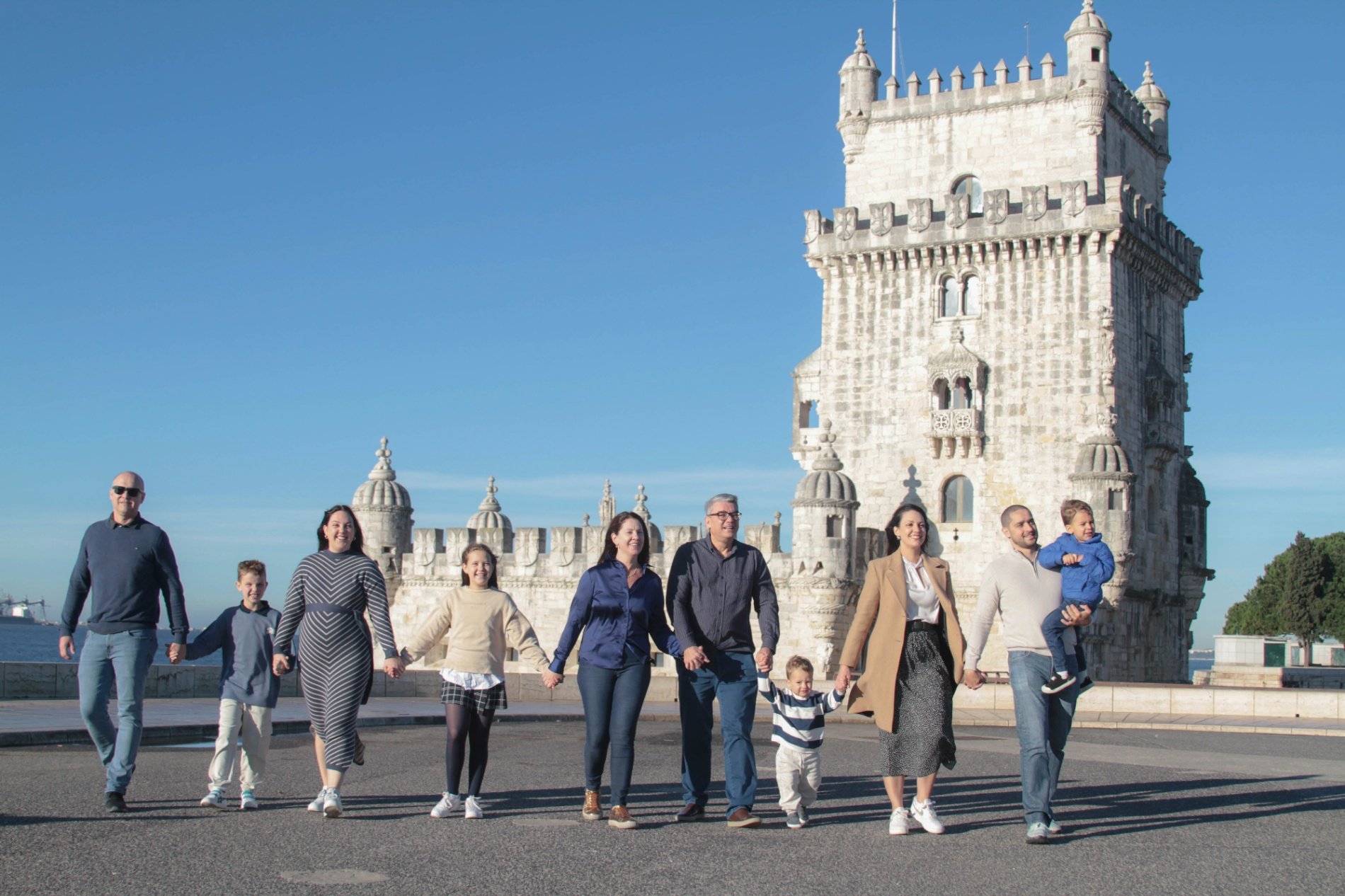
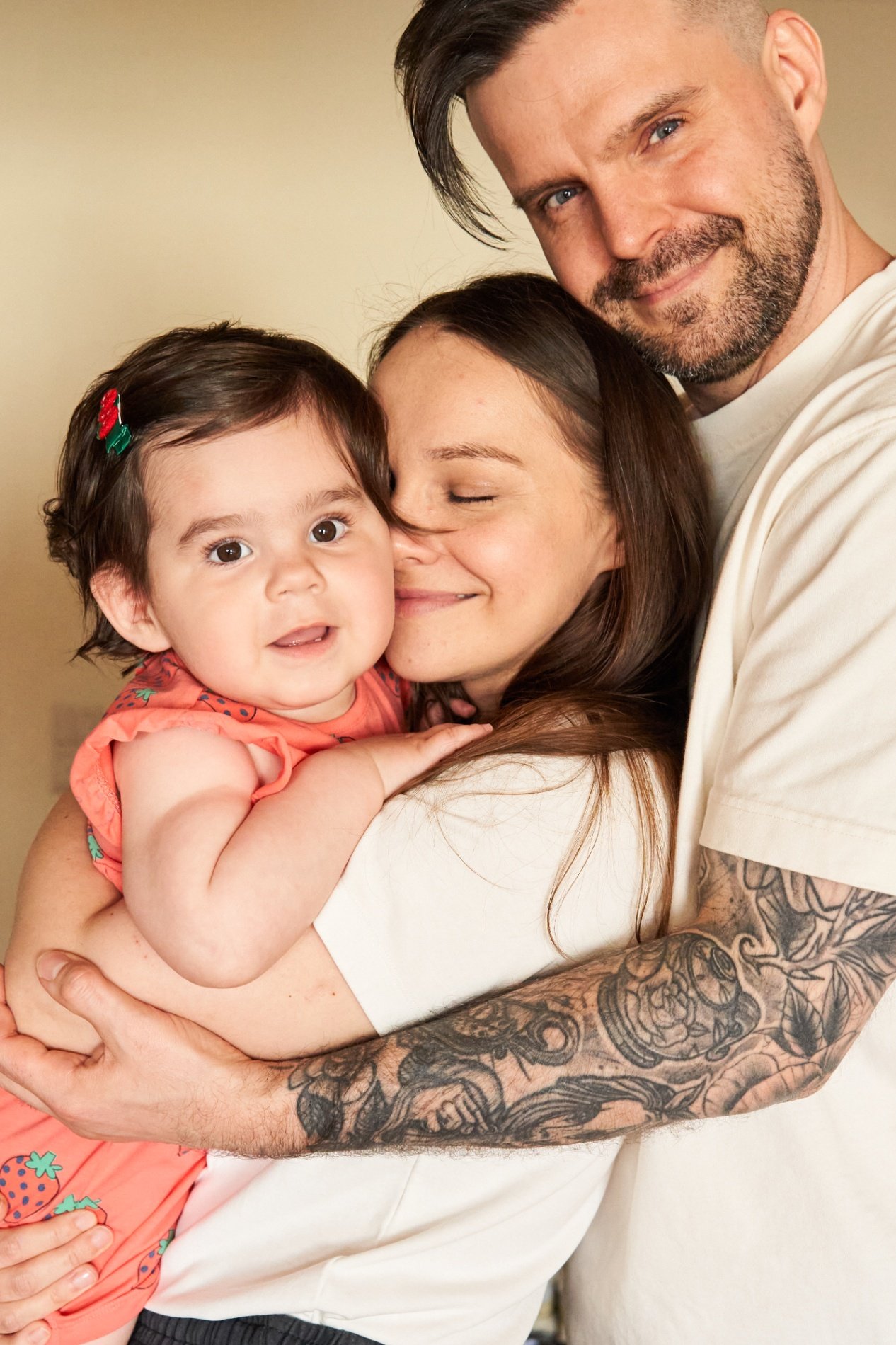
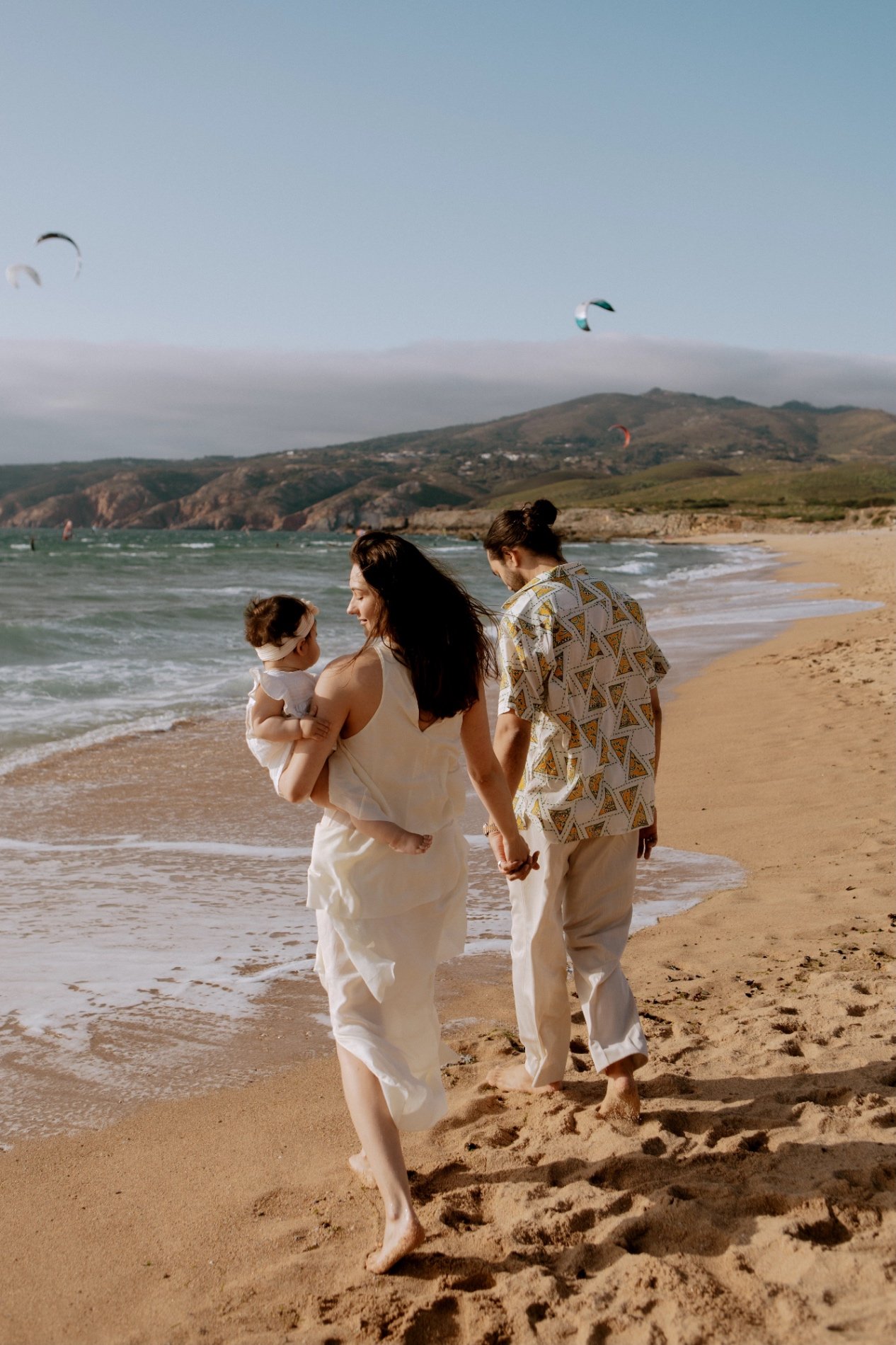
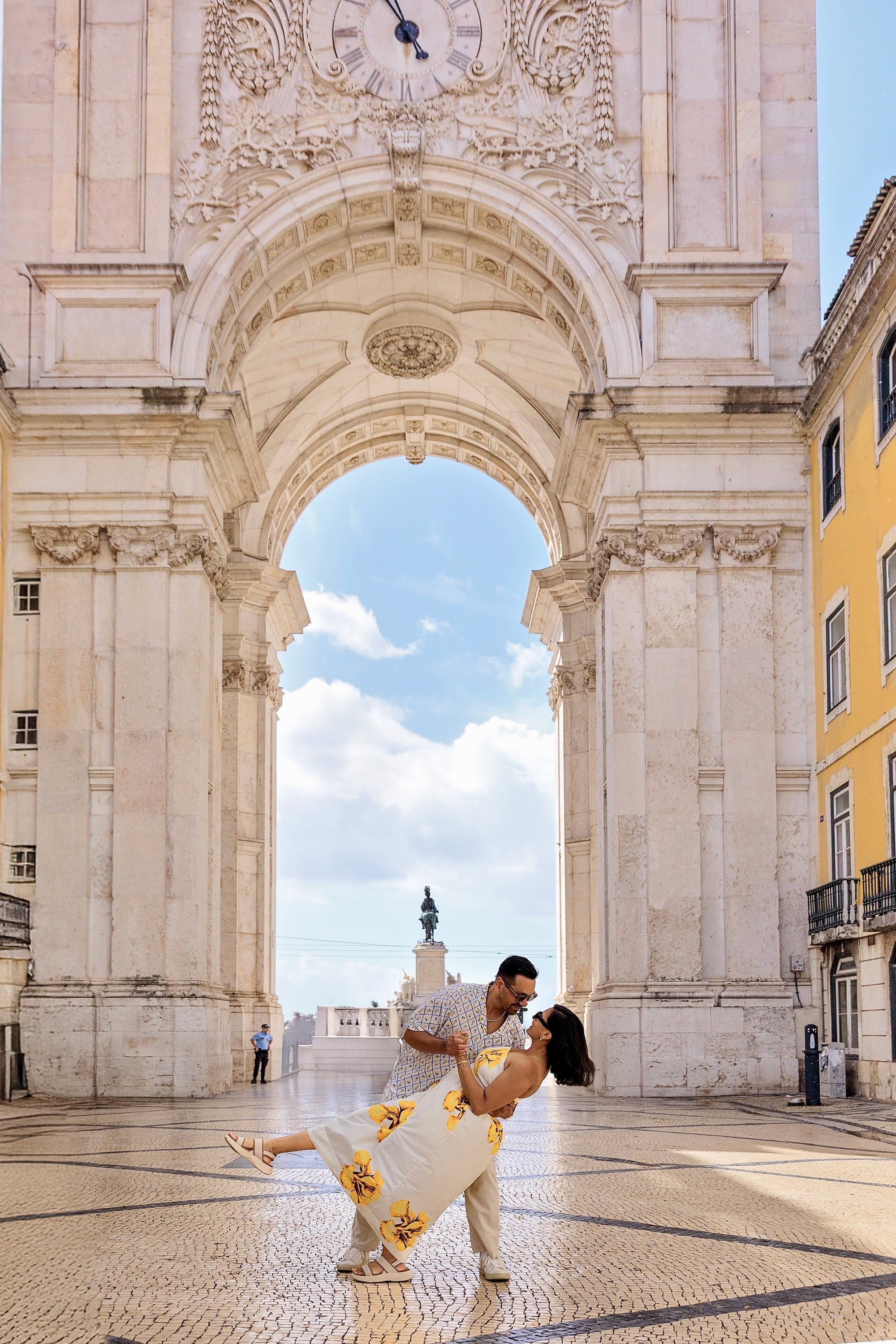
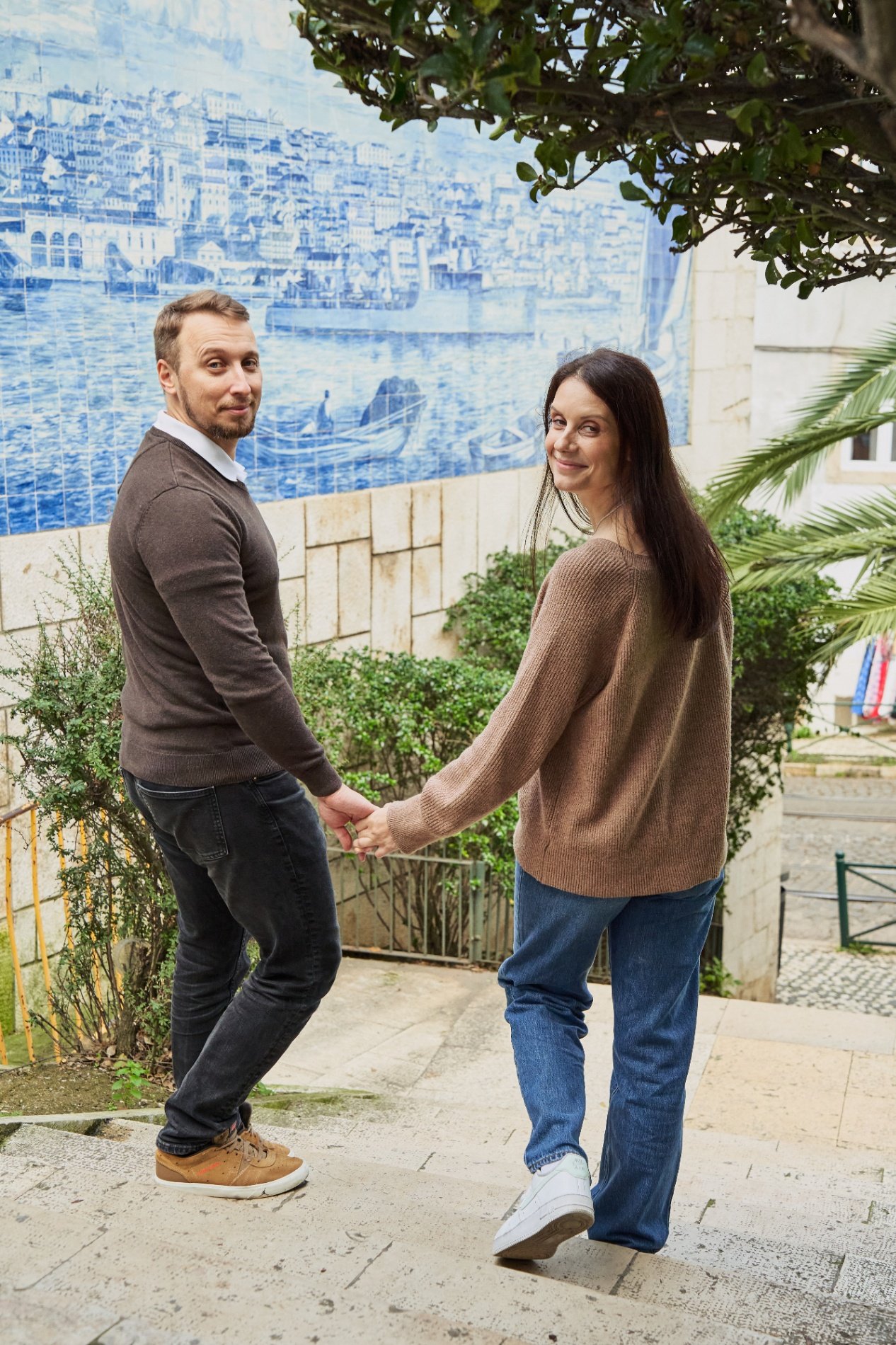
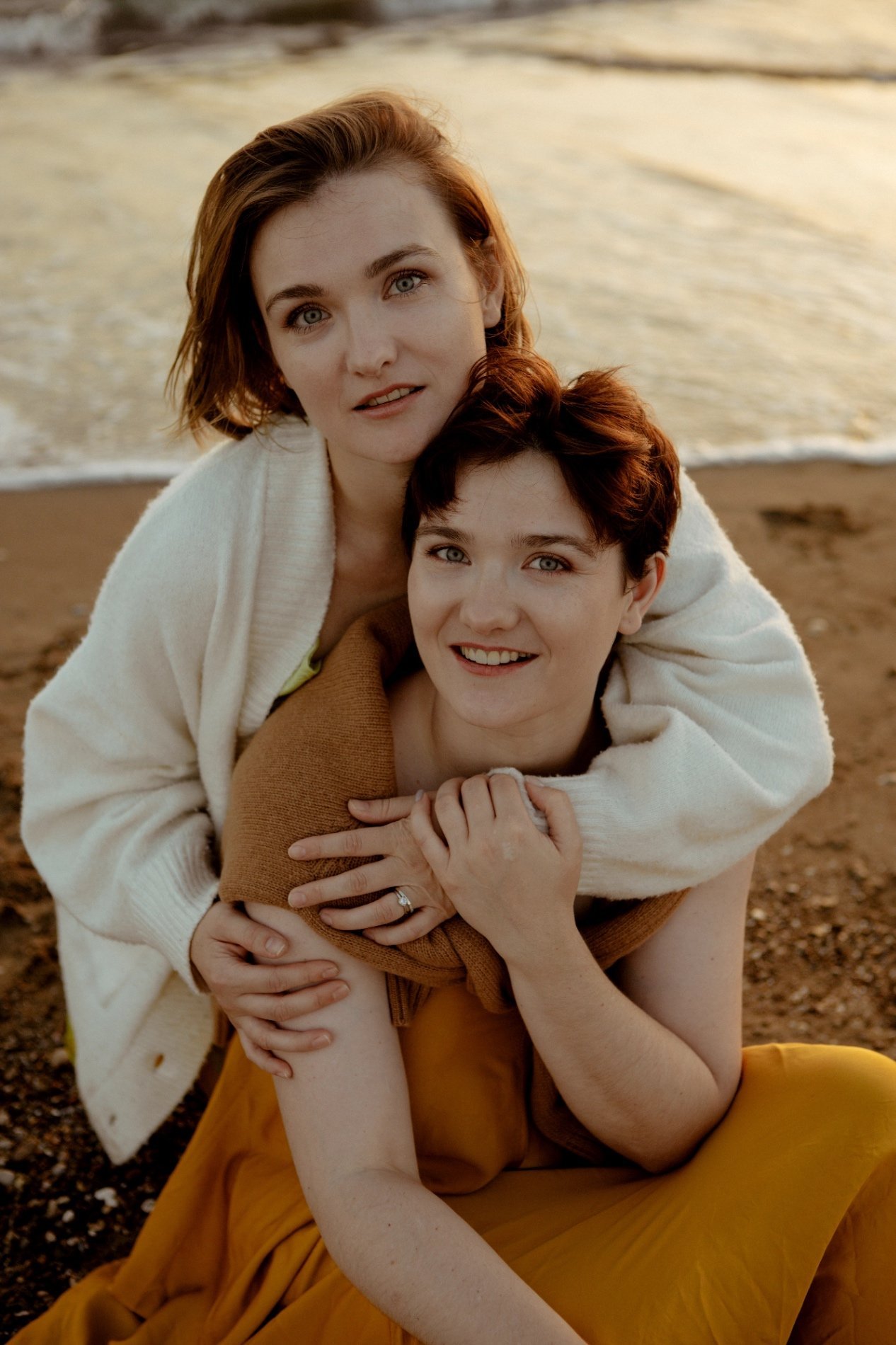
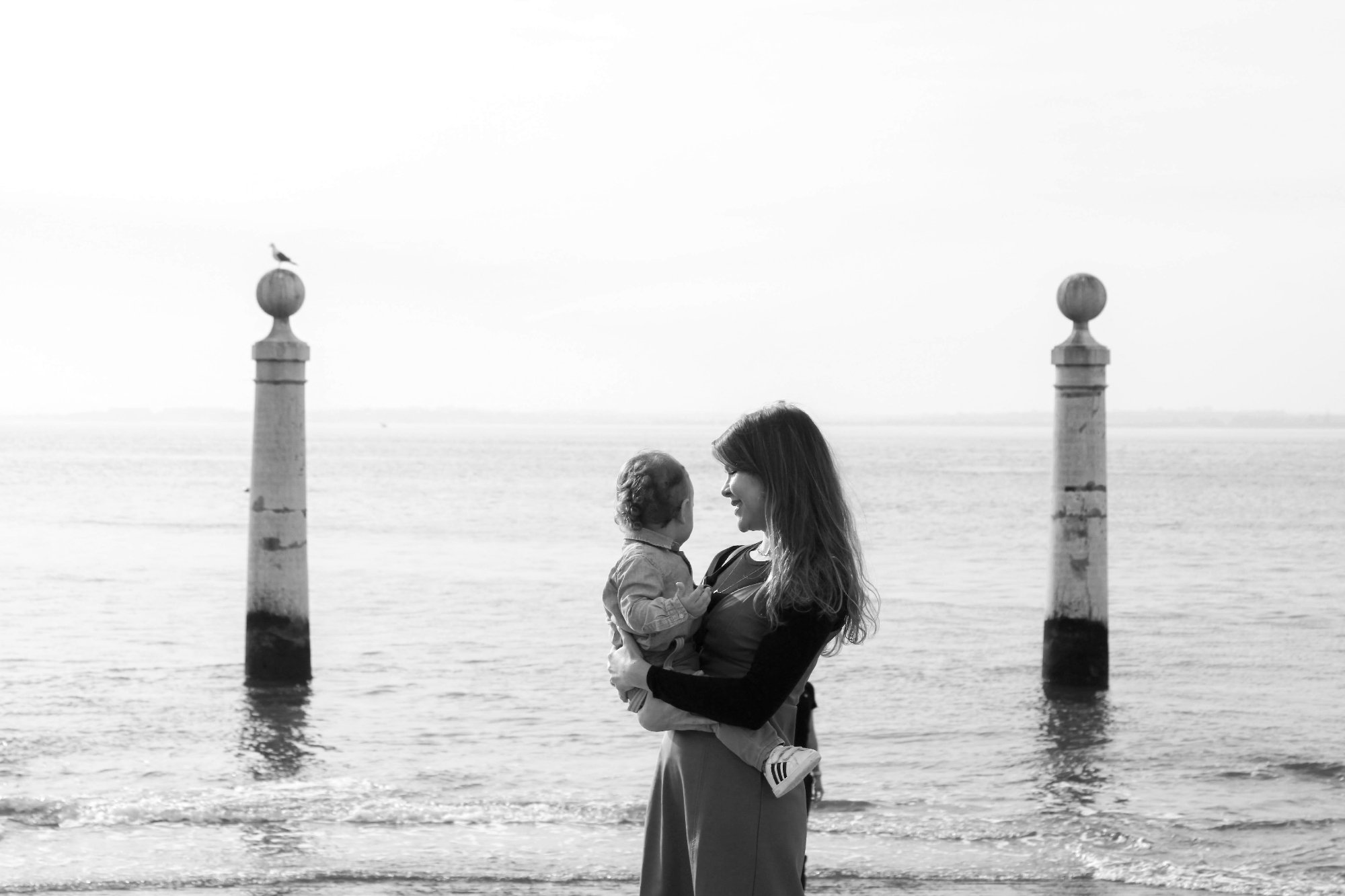
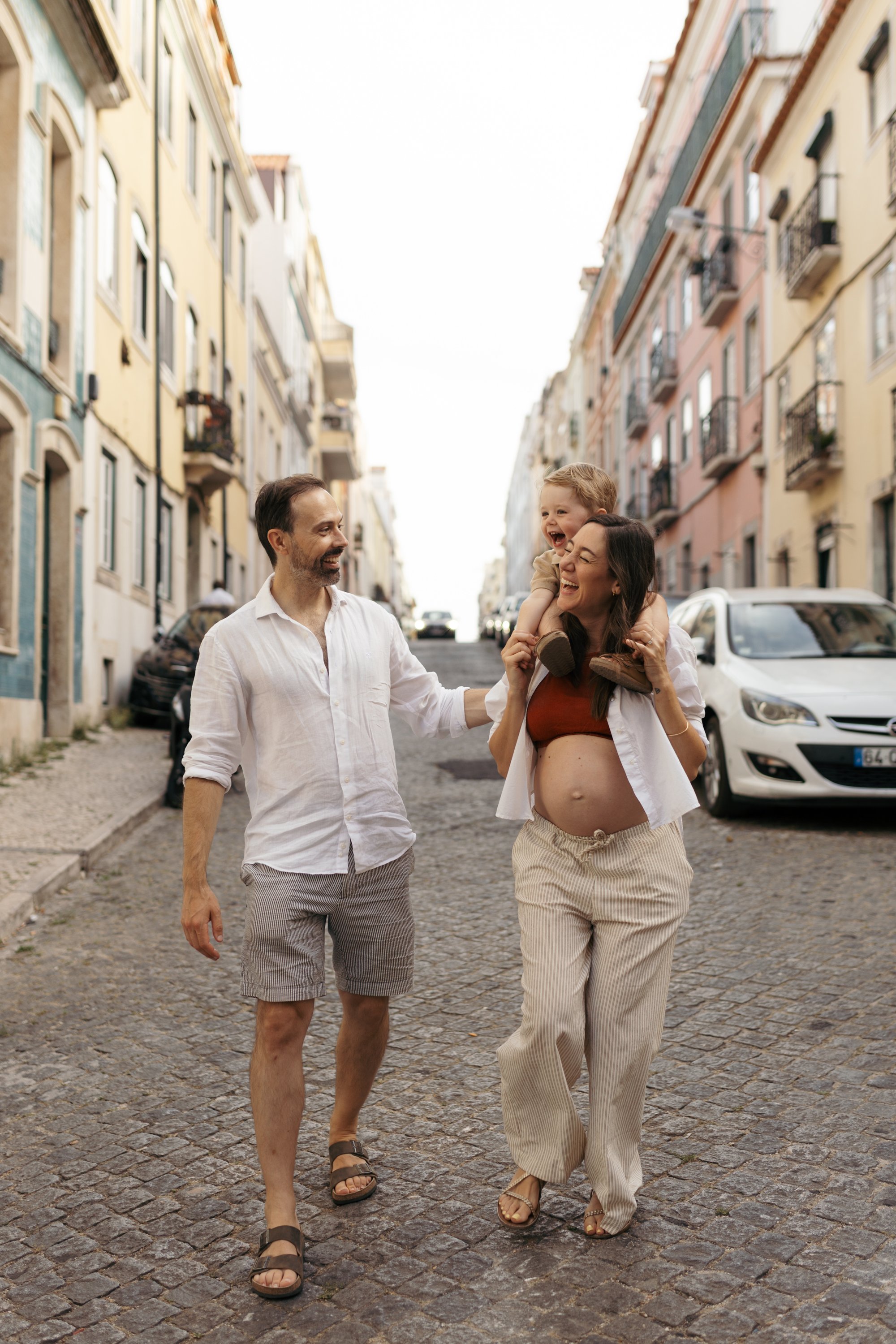
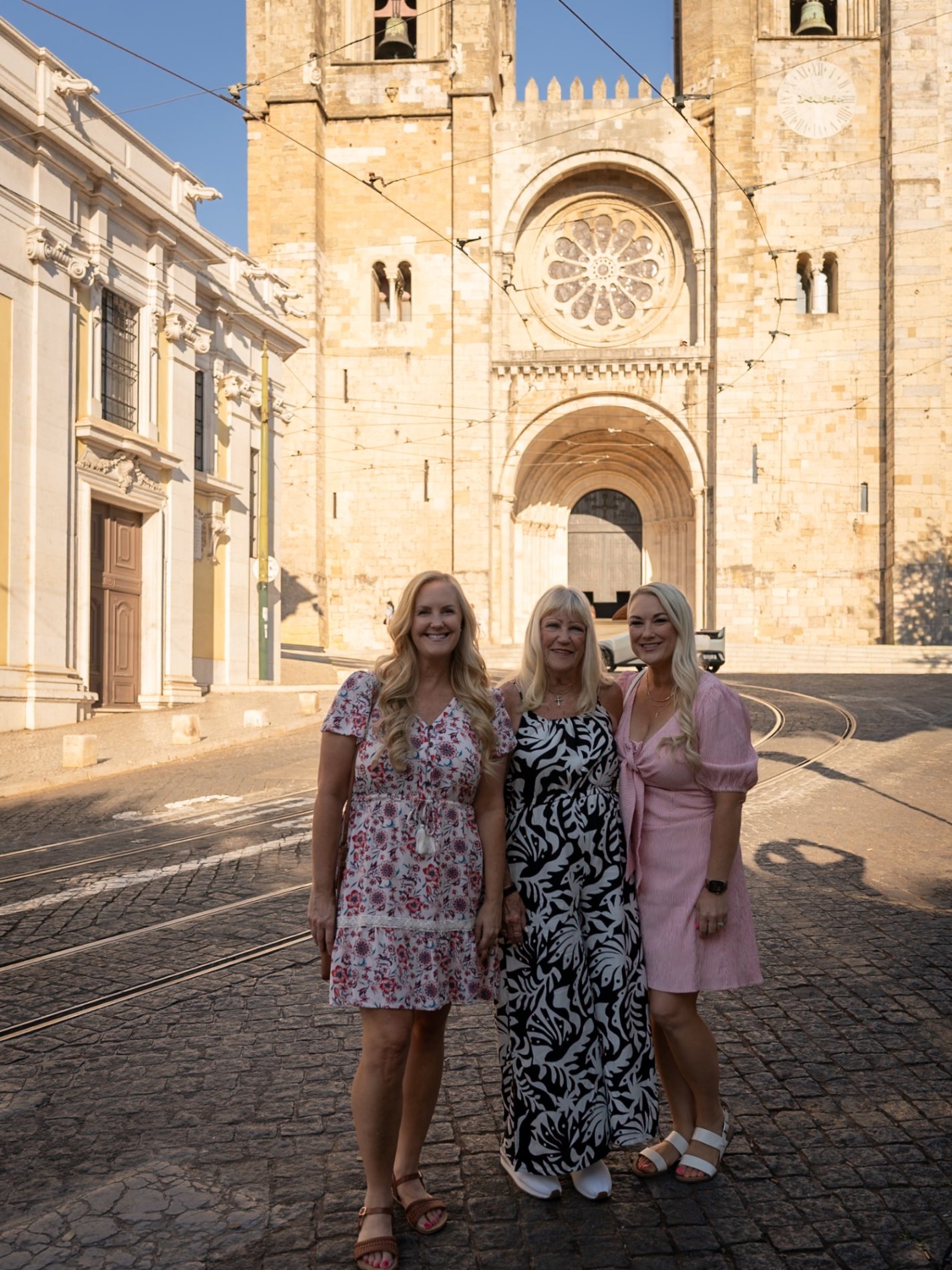
Real shots from Lisbon
Colours That Work with Portuguese Architecture
Portugal's buildings come in warm tones — terracotta, ochre yellow, dusty pink, cream, and white — accented by blue azulejo tiles. Your outfit should complement this palette, not compete with it.
Colours that photograph beautifully in Portugal:
- White and cream — clean, timeless, and works against every backdrop. White is probably the single most reliable choice for Portugal photography. It catches the warm light beautifully and stands out against the colourful buildings without clashing.
- Soft blue and dusty blue — echoes the azulejo tiles and the sky. A flowing blue dress in front of a tile-covered wall is a combination that never fails.
- Terracotta, rust, and burnt orange — these warm earth tones harmonise with the architecture and glow in golden hour light.
- Sage green and olive — natural, understated, and gorgeous against the warm stone and white limestone.
- Blush pink and mauve — soft enough to blend with the pastel facades, feminine without being overpowering.
- Burgundy and deep red — rich, elegant, and creates a strong focal point against lighter backgrounds.
Colours to think twice about:
- Neon or very bright colours — they dominate the frame and distract from the setting. Neon pink or electric green will pull the eye away from your face and the beautiful background.
- All black — it can look heavy in Lisbon's bright, warm-toned environment. A black accent piece is fine, but head-to-toe black absorbs light and loses detail in photographs. If black is your thing, break it up with a lighter accessory or layer.
- Busy patterns and large logos — small, subtle patterns are fine. Large graphic prints or prominent brand logos date quickly and pull focus.
Dressing for the Season
Spring (March - May)
Mild and occasionally breezy. Light layers work well — a flowing dress with a denim jacket, or linen trousers with a light knit. Mornings can be cool, so having a layer you can remove gives you versatility during the session.
Summer (June - September)
Hot, especially in Lisbon (regularly 30-35C). Choose breathable, natural fabrics — linen, cotton, lightweight rayon. Avoid anything that will show sweat patches or cling uncomfortably in the heat. Lighter colours keep you cooler. Sunglasses are practical but remove them for most of the actual shooting — they hide your eyes, which are the most important element in a portrait.
Autumn (October - November)
Similar to spring but with warmer light. This is a beautiful season for richer colours — burgundy, mustard, forest green. A light scarf or wrap adds texture and movement to your images.
Winter (December - February)
Mild by Northern European standards but cool enough for layers. A well-fitted coat, a scarf, and boots can look incredibly stylish in photos. Porto in winter, especially, suits warmer, heavier clothing that matches its moodier atmosphere.
The Cobblestone Question
This is the number one practical consideration. Lisbon and Porto are built on hills paved with calçada portuguesa — beautiful hand-laid limestone cobblestones that are uneven, often steep, and genuinely slippery when wet.
Shoes that work:
- Comfortable flat sandals with a strap (not flip-flops — they look sloppy in photos and you will twist an ankle)
- Wedge espadrilles — they give you height without the instability of thin heels
- Clean white trainers or minimalist sneakers — completely acceptable and increasingly stylish in photos
- Ankle boots with a low block heel
- Ballet flats
Shoes to avoid:
- Stilettos or thin heels — they get stuck between cobblestones and make walking painful
- Brand-new shoes that have not been broken in — you will be walking for an hour or more
- Heavy hiking boots (unless you are going for that specific aesthetic) — they look out of place in city settings
Outfit Tips for Couples
Coordinate, but do not match. Wearing identical outfits looks staged. Instead, choose a shared colour palette — for example, one person in white and the other in dusty blue, or one in cream and the other in terracotta. The goal is for your outfits to feel like they belong in the same photograph.
Balance formality levels. If one person is in a flowing dress, the other should not be in gym shorts and a t-shirt. You do not both need to be dressed up, but you should be on roughly the same level of "put together."
Bring a second outfit. If your session is 90 minutes or longer, changing clothes midway gives you variety in your final gallery. A quick change in a cafe bathroom takes five minutes and effectively doubles your wardrobe options.
Outfit Tips for Families
Family outfit coordination is where people overthink things most. Here is the simple approach:
Pick 2-3 colours from a shared palette. For example: white, navy, and soft pink. Everyone wears some combination of those colours. Dad in navy trousers and a white shirt, Mum in a blush dress, kids in white tops with navy shorts. It looks coordinated without looking like a uniform.
Prioritise comfort for children. A child who is uncomfortable in their clothes will look uncomfortable in every photo. Let them wear something they actually like, adjusted to fit the colour palette. Stiff formal outfits on young children rarely photograph as well as you would hope.
Avoid character t-shirts. This is the one firm suggestion — Spider-Man and Frozen t-shirts date the photos instantly and pull focus.
What clients say about this kind of shoot
Wonderful photographer! She took beautiful photos that we loved. Also went above and beyond to be flexible and work with us. 100% recommend!
— Client on Nadiya K.
Great experience working with Denis, would do it again
We have hired Denis for covering our company event and he absolutely exceeded our expectations. The photos turned out just great and everyone was really happy with the outcome. The communication before during and after the event was smooth and photo delivery was fast.
— Anja T on Denis E.
Absolutely wonderful! Creative, brings great energy, helpful and a lovely experience for my best friends hen weekend!
— Sofia Berglin on Tatiana O.
Nadya, you’re simply magical ✨ I keep looking at the photos over and over again! Thank you so much for being you! I’m so happy I didn’t give up while looking for a photographer. We came to Portugal for the first time with our friends, and I was looking for someone who would be able to truly see us, to feel us! And I don’t regret for a single moment that I trusted you. Thank you from the bottom of my heart ❤️
— Client on Nadiya K.
I've had a look at them myself already! Wonderful photos! They turned out so warm and heartfelt! Thank you so much! You've captured these memories for us. They turned out so beautiful!!
— Client on Nadiya K.
A professional photographer, easy to deal with and very attentive to detail. Beautiful, natural photos that capture every emotion perfectly. Highly recommended!
— Francesco Biagi on Nelson T.
Accessories and Final Details
- Hats can look wonderful — wide-brimmed sun hats in summer, fedoras in autumn. They add personality and help manage harsh overhead light.
- Jewellery should be understated unless it is a statement piece you love. Engagement rings and meaningful necklaces photograph beautifully. Chunky costume jewellery can be distracting.
- Hair should be styled but not rigid. The breeze in Lisbon and especially along the Douro in Porto will move your hair. Embrace it. Windswept hair looks natural and alive in photos. If you are concerned, bring a hair tie for backup, but try the loose look first.
- Nails matter more than you would expect, especially for proposal and engagement sessions where your hands will feature prominently. A fresh, neutral manicure goes a long way.
The Most Important Rule
Wear something you feel good in. Confidence shows in photographs — it is the difference between looking stiff and looking natural. If you feel amazing in a particular dress or shirt, that comfort and confidence will come through in every image. No "perfect" outfit will compensate for feeling awkward or overdressed.
When in doubt, keep it simple, keep it comfortable, and let Portugal's colours do the heavy lifting.
Still unsure? Most of our photographers are happy to give personalised outfit advice once you have booked your session. Reach out to a photographer in Lisbon, Porto, Sintra, or the Algarve and they will help you put together a look that works beautifully with your chosen locations.
Frequently Asked Questions
What colors photograph best in Portugal?
Soft, warm tones like white, cream, blush, terracotta, and sage green complement Portugal golden limestone, blue azulejo tiles, and ocean backdrops beautifully. Jewel tones like emerald, burgundy, and navy create striking contrast against the neutral stone buildings. Avoid neon colors, all-black outfits that look heavy in summer light, and busy patterns that compete with the colorful Portuguese architecture behind you.
Should I bring multiple outfits to a photoshoot in Portugal?
Yes, bringing 2 to 3 outfit options is recommended even if you plan to wear just one. Having choices lets your photographer suggest the best option once they see the actual light and backdrop conditions. If your session includes multiple locations, a wardrobe change adds visual variety to your gallery. Pack outfits in a small tote bag that your photographer can carry between stops.
What shoes should I wear for a photoshoot in Portugal?
Comfortable shoes that still look stylish are essential since Portuguese streets are made of cobblestones and many locations involve stairs and uneven terrain. Strappy sandals, espadrilles, clean white sneakers, and low block heels all photograph well and keep your feet comfortable. Avoid stilettos that get caught between cobblestones, and if you want a heels shot, bring them separately and change at the specific location.
What accessories work well in Portugal photoshoots?
A wide-brimmed hat adds elegance and helps with harsh midday sun, while delicate gold jewelry catches the light beautifully without being distracting. Sunglasses can work for a few casual shots but should come off for most portraits so your eyes are visible. A lightweight scarf, flower bouquet, or vintage bag can add a personal touch that makes your photos feel more intentional and styled.
How should couples coordinate outfits for a photoshoot in Portugal?
Choose a shared color palette of 2 to 3 complementary tones rather than wearing identical outfits, which can look dated. If one partner wears a white dress, the other might choose light blue or beige linen. Mix textures and styles within your palette for visual interest, such as pairing a flowy dress with a structured blazer. Lay out all options together before the shoot to ensure they look cohesive.
Ready to Book?
Explore all photographers across Portugal or see pricing and packages.
Browse Photographers by Location
Find the perfect photographer for your trip: Lisbon · Algarve · Sintra · Douro Valley
Want professional photos in Lisbon?
Browse portfolios, compare packages, and book a verified local photographer in minutes.