Best Photo Spots in Evora: Ancient Ruins & Alentejo Countryside
Évora is Portugal's most atmospheric inland city. A UNESCO World Heritage Site since 1986, this walled Alentejo capital layers two thousand years of history into a compact centre you can explore on foot. Roman ruins stand beside medieval churches, Renaissance palaces overlook cobblestone squares, and the surrounding countryside rolls with cork oak forests and golden wheat fields. For photographers, Évora offers a depth and texture that the busier coastal cities rarely match.
This guide covers every essential photo spot in Évora, with practical tips on timing, light, and composition to help you capture the best of this extraordinary city.
Looking for a professional photographer who knows Évora's hidden corners? Browse our Évora photographers and book a session in one of Portugal's most photogenic cities.
3 photo spots in Evora — click a pin to open the full guide
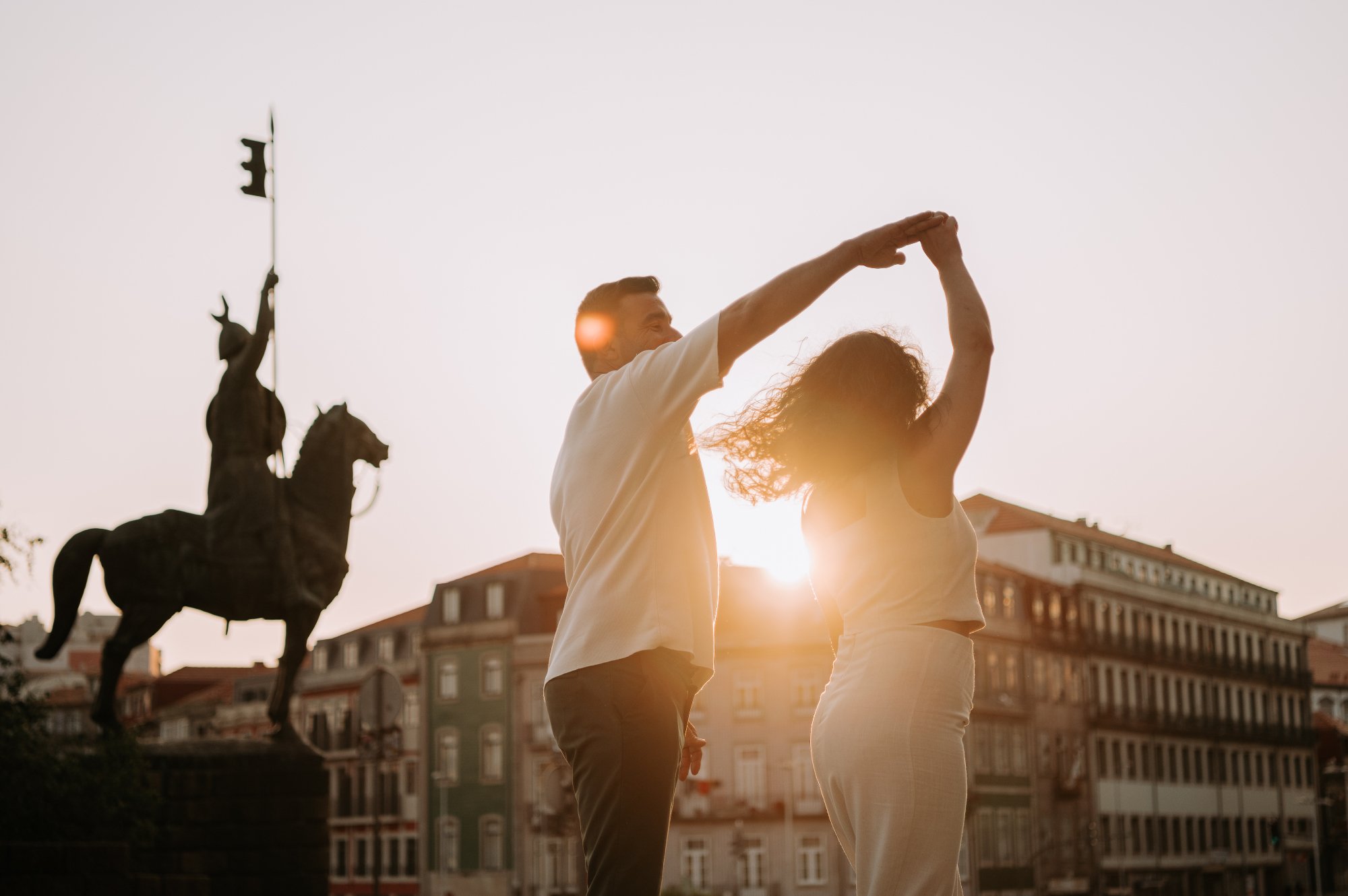
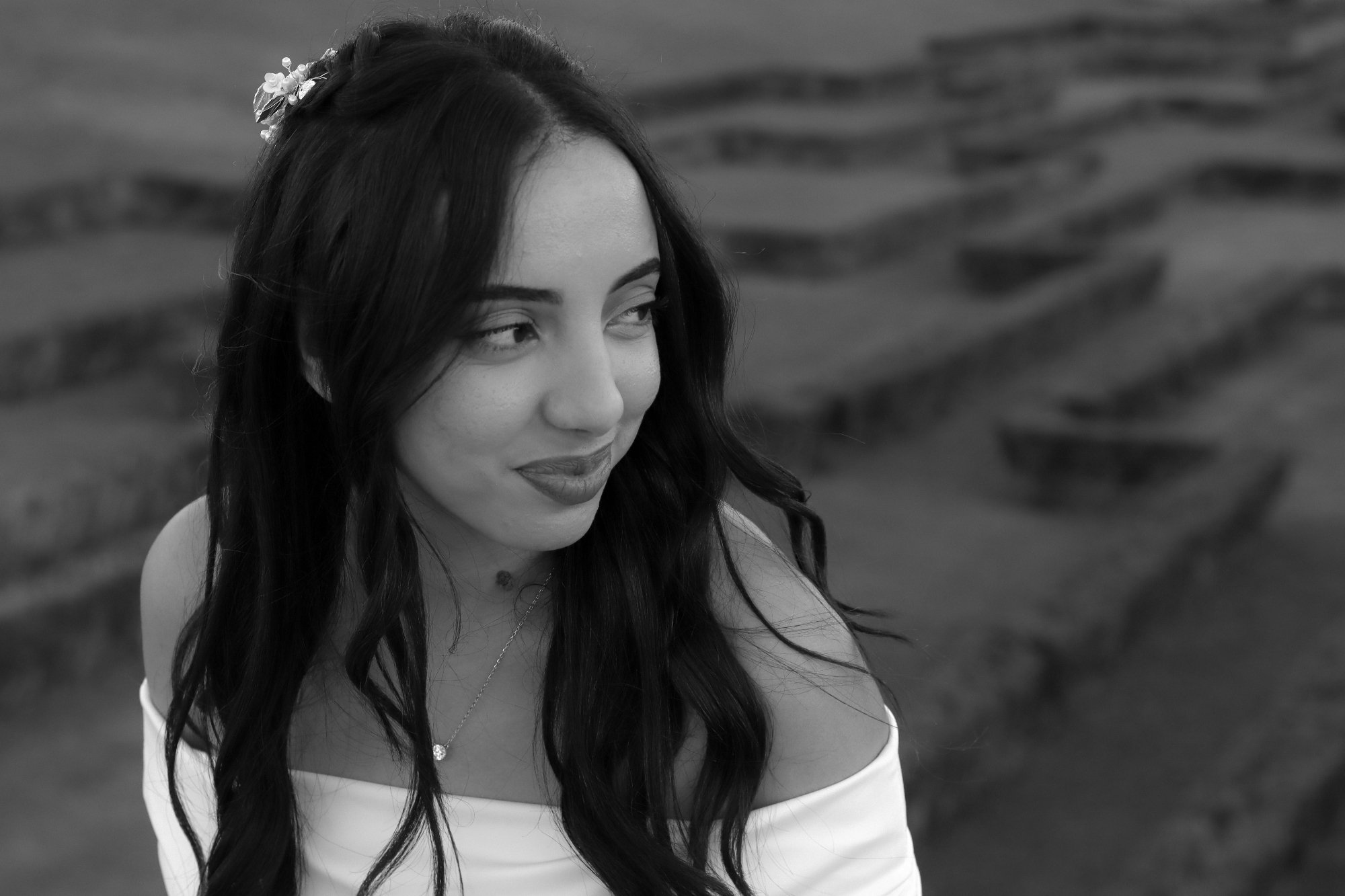
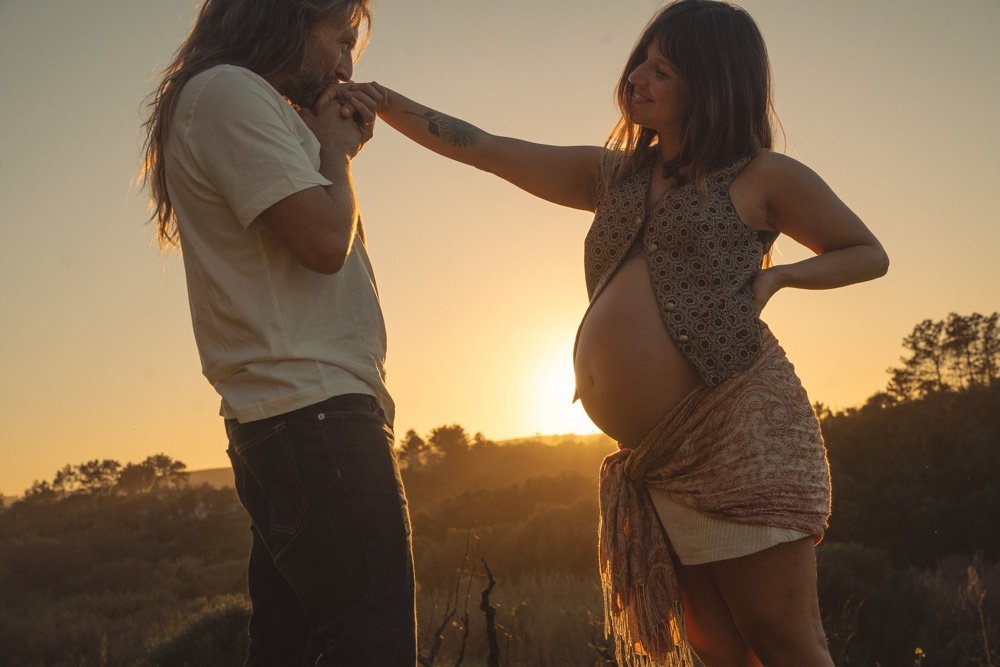
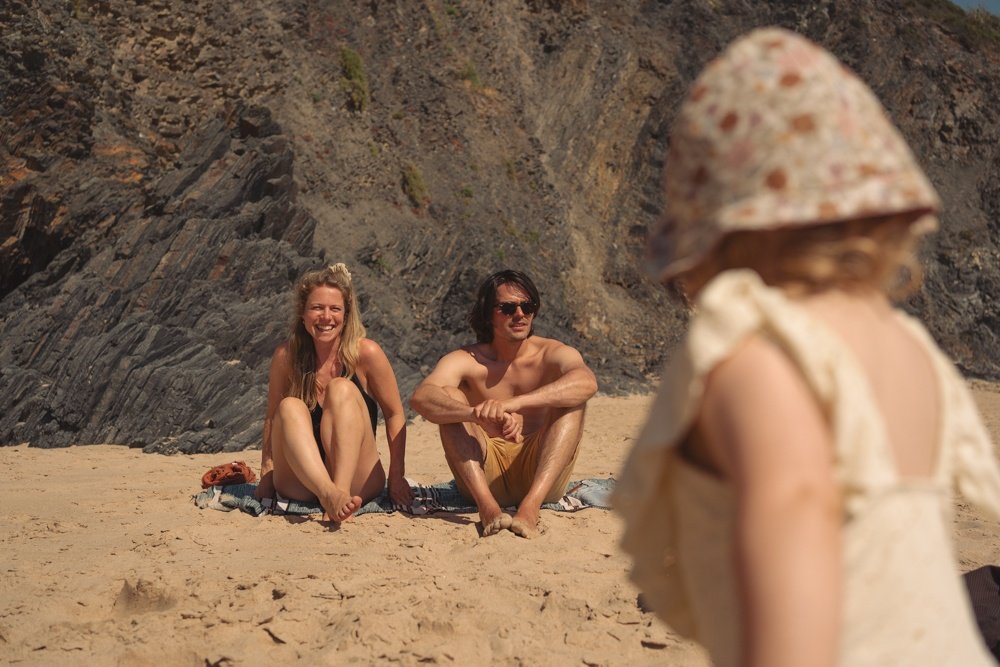
Real shots from Evora
Why Is Évora Such a Special Photography Destination?
Évora stands apart from Portugal's better-known coastal destinations because of its sheer historical density. Within the old city walls, you can photograph a 2,000-year-old Roman temple, a Gothic cathedral, a Renaissance university, and a Baroque chapel decorated with human bones, all within a 15-minute walk. The Alentejo light is also distinctive: warm, golden, and intense, with clear skies that create deep shadows and rich contrast.
The city is small enough that you never need a car inside the walls, but large enough to reward several days of exploration. And because it sits off the main tourist trail compared to Lisbon or Porto, you will often have major monuments to yourself, especially in the early morning.
Temple of Diana: Évora's Most Iconic Photo Subject
The Temple of Diana, also known as the Roman Temple of Évora, is the city's most recognisable landmark. Dating from the 1st century AD, its fourteen Corinthian columns stand in a small square surrounded by later medieval and Renaissance buildings. The juxtaposition of Roman ruins against the later architecture creates a layered composition that tells the story of Évora in a single frame.
Best Times to Photograph the Temple of Diana
- Sunrise is the golden hour for this spot. The temple faces roughly east, and the first rays of sun light up the columns in warm tones while the surrounding buildings remain in shadow.
- Blue hour (just before sunrise or after sunset) gives you a deep blue sky behind the columns, and the artificial lighting of the temple creates a dramatic effect.
- Midday works for detail shots of the column capitals and stonework, when the overhead sun eliminates shadows in the carved details.
Composition Tips
- Include the Pousada (historic hotel) in the background for context and depth.
- Use a low angle to emphasise the height of the columns against the sky.
- Walk around to the rear of the temple for a less common perspective that includes the garden.
- A wide-angle lens captures the full colonnade, while a 50mm or 85mm isolates individual columns.
Évora Cathedral (Sé de Évora): Romanesque Grandeur
The Sé de Évora is a fortress-like Romanesque-Gothic cathedral that dominates the city skyline. Built in the 12th and 13th centuries, its granite facade, asymmetric towers, and crenellated roofline give it a stern, imposing character that photographs beautifully.
What to Photograph at the Cathedral
- The exterior: The main facade is best photographed in late afternoon, when the warm light softens the grey granite. Include the wide staircase for scale.
- The cloisters: The 14th-century Gothic cloisters are one of Évora's finest architectural spaces. Arched walkways frame views of the central garden, and the play of light and shadow through the arches is stunning in the morning.
- The rooftop terrace: Access to the roof gives you a 360-degree panorama of Évora and the Alentejo plains beyond. This is the best elevated viewpoint in the city and is particularly rewarding at sunset.
- Interior details: The nave, the Renaissance chapel, and the carved choir stalls all reward close-up photography. A fast lens (f/1.8 or f/2.8) helps in the dim interior.
Chapel of Bones (Capela dos Ossos): Hauntingly Photogenic
The Capela dos Ossos, inside the Church of São Francisco, is one of Portugal's most extraordinary spaces. The walls and columns of this small chapel are entirely covered with the bones and skulls of an estimated 5,000 monks, arranged in macabre but strangely beautiful patterns. The inscription above the entrance translates to: We bones that are here, for yours we wait.
Photography Tips for the Chapel of Bones
- Low light: The chapel is dimly lit, which adds to the atmosphere but challenges photographers. Use a fast lens and raise your ISO. A tripod is not always permitted, so check before your visit.
- Details matter: Wide shots capture the overall impact, but close-ups of individual skulls and bone arrangements reveal the craftsmanship and create powerful images.
- Respect the space: Photography is permitted, but be mindful that this is a memorial. Avoid using flash, as it flattens the mood and disturbs other visitors.
- Visit early: Arrive when the church opens to have the chapel as close to empty as possible.
Praça do Giraldo: The Heart of Évora
Praça do Giraldo is Évora's main square and the social hub of the city. Surrounded by arcaded buildings with cafés and shops, it features a Renaissance marble fountain at its centre. The square has been the focal point of Évora's civic life for centuries and remains the best place for street photography and people-watching.
How to Photograph Praça do Giraldo
- Morning: The square empties of tourists and fills with locals going about their day. The arcades create beautiful leading lines and patterns of light and shadow.
- Evening: Café terraces fill up, street performers sometimes appear, and the warm artificial lighting gives the square a convivial glow.
- The Church of Santo Antão at the north end of the square provides a strong focal point for compositions looking across the plaza.
- Shoot from under the arcades for a framed perspective of the fountain and the activity in the square.
Cork Oak Landscapes: The Alentejo Countryside
The countryside surrounding Évora is quintessential Alentejo: vast rolling plains dotted with cork oak and holm oak trees, their trunks stripped of bark in distinctive orange-red patterns. This landscape is unique to southern Portugal and provides some of the most evocative rural photography in all of Europe.
Where and How to Photograph Cork Oaks
- Drive any road out of Évora for 10 to 15 minutes to find classic Alentejo scenery.
- The EN114 towards Montemor-o-Novo and the road towards Arraiolos both pass through beautiful cork oak country.
- Golden hour transforms the landscape. The warm light turns the stripped cork trunks deep orange-red against the green and gold of the fields.
- Lone trees make the strongest compositions. Look for isolated oaks in open fields, ideally with a simple horizon line.
- Spring (March to May) covers the fields in wildflowers, adding colour to the landscape. Late summer turns the fields golden, creating a warm, Mediterranean palette.
What clients say about this kind of shoot
Wonderful photographer! She took beautiful photos that we loved. Also went above and beyond to be flexible and work with us. 100% recommend!
— Client on Nadiya K.
Great experience working with Denis, would do it again
We have hired Denis for covering our company event and he absolutely exceeded our expectations. The photos turned out just great and everyone was really happy with the outcome. The communication before during and after the event was smooth and photo delivery was fast.
— Anja T on Denis E.
Absolutely wonderful! Creative, brings great energy, helpful and a lovely experience for my best friends hen weekend!
— Sofia Berglin on Tatiana O.
Nadya, you’re simply magical ✨ I keep looking at the photos over and over again! Thank you so much for being you! I’m so happy I didn’t give up while looking for a photographer. We came to Portugal for the first time with our friends, and I was looking for someone who would be able to truly see us, to feel us! And I don’t regret for a single moment that I trusted you. Thank you from the bottom of my heart ❤️
— Client on Nadiya K.
I've had a look at them myself already! Wonderful photos! They turned out so warm and heartfelt! Thank you so much! You've captured these memories for us. They turned out so beautiful!!
— Client on Nadiya K.
Nadya! This is incredible…😭❤️ I was looking at the photos, and I had tears of happiness from the immense gratitude I feel towards you for giving my parents unforgettable emotions ❤️🙏🏻 Thank you! My parents are absolutely thrilled!
— Client on Nadiya K.
What Other Historic Sites Are Worth Photographing in Évora?
Évora has many more photogenic locations beyond the main attractions:
- The University of Évora: Founded in 1559, the Renaissance cloisters and azulejo-decorated lecture halls are stunning. The courtyard is particularly photogenic in the morning light.
- The Aqueduct (Aqueduto da Água de Prata): This 16th-century aqueduct runs through the city and into the surrounding countryside. Sections where houses were built into the arches are uniquely photogenic.
- The Megalithic sites: The Almendres Cromlech, a 20-minute drive from Évora, is one of the oldest stone circles in Europe, predating Stonehenge. At sunrise, the standing stones cast long shadows across the cork oak grove, creating an almost mystical atmosphere.
- The city walls and gates: Walking along sections of the medieval walls offers elevated perspectives and interesting architectural frames.
What Is the Best Time of Year to Photograph Évora?
Évora's inland Alentejo location means hot, dry summers and mild, occasionally wet winters:
- Spring (March to May): The ideal season. Wildflowers carpet the countryside, temperatures are comfortable, and the light is soft and warm. This is peak time for landscape photography.
- Summer (June to August): Very hot, often exceeding 40 degrees Celsius. The harsh midday light is challenging, but early morning and late afternoon are stunning, and the golden, parched landscape has its own stark beauty.
- Autumn (September to November): Comfortable temperatures, harvest activity in the countryside, and beautiful evening light. An excellent time for both city and rural photography.
- Winter (December to February): Quiet and atmospheric. Occasional rain brings dramatic skies, and the low sun creates long shadows that add depth to architectural photos.
How Long Do You Need to Photograph Évora Properly?
Two full days is the minimum to cover the main city sights and make at least one trip into the countryside. Three days allows you to explore at a relaxed pace, revisit locations in different light, and venture to the megalithic sites and further into the Alentejo.
Is Évora Good for Portrait Photography?
Absolutely. The warm Alentejo stone, the ancient textures, and the golden light create a portrait backdrop with character and depth. The Temple of Diana columns, the cathedral cloisters, the old town streets, and the cork oak landscapes all provide distinctive settings that you will not find in busier tourist cities.
Book a portrait session with an Évora photographer through Photo Portugal and get images that capture the timeless spirit of the Alentejo.
Should You Hire a Professional Photographer in Évora?
Évora rewards patience and local knowledge. A professional photographer who knows the city can lead you to the hidden courtyards, the perfect morning light on the temple, and the countryside viewpoints that most visitors never find. Whether you want family portraits among the Roman ruins or couple photos in the golden Alentejo countryside, a local expert makes all the difference.
Browse our Évora photographers and start planning a session in one of Portugal's most underrated and beautiful cities.
Final Tips for Photographing Évora
- Wear comfortable walking shoes; the cobblestones are beautiful but uneven.
- Carry water and sun protection in summer; the Alentejo heat is intense.
- The city centre is compact. You can walk between all the main sights in 15 to 20 minutes.
- Many churches and monuments have modest entry fees. A combined ticket is usually available and saves money.
- For the best rural landscapes, rent a car for at least one day to explore the surrounding countryside.
- Combine Évora with visits to Monsaraz, Arraiolos, or the Alqueva lake for a broader Alentejo photography itinerary.
Évora is a city that rewards the curious photographer. Its layers of history, its warm Alentejo light, and its unhurried pace create an experience and images that stay with you long after you leave.
Related Reading
- Best Time to Visit Portugal for Photography: Month-by-Month Guide — plan your Évora trip around the best seasons for Alentejo light
- Autumn in Portugal: Why September-November Is Perfect for Photos — the ideal season for golden Alentejo countryside photography
- How Much Does a Photoshoot in Portugal Cost? Complete 2026 Guide — what to budget for a professional session in Évora
- Browse All Our Photographers — find a photographer who knows Portugal inside and out
- Book Your Photoshoot — ready to capture the timeless beauty of Évora with a professional?
Want professional photos in Evora?
Browse portfolios, compare packages, and book a verified local photographer in minutes.