Best Photo Spots in the Algarve: Caves, Cliffs & Beaches
The Algarve coastline is 200 kilometres of some of the most dramatic scenery in Europe. Towering golden limestone cliffs have been carved by the Atlantic into arches, sea stacks, grottos, and hidden coves that look like they were sculpted by an artist with a weakness for drama. The light here is different from Lisbon or Porto — harder, brighter, more Mediterranean. It bounces off the sandstone and turns everything warm, especially in the late afternoon when the cliffs practically glow.
I have been shooting along this coast for years, and every visit reveals something new. The trick is knowing which spots deliver the best compositions, which ones require specific conditions (tide, light, boat access), and which ones you can skip because the reality does not match the Instagram hype.
Here are the spots that consistently produce extraordinary images.
4 photo spots in Algarve — click a pin to open the full guide
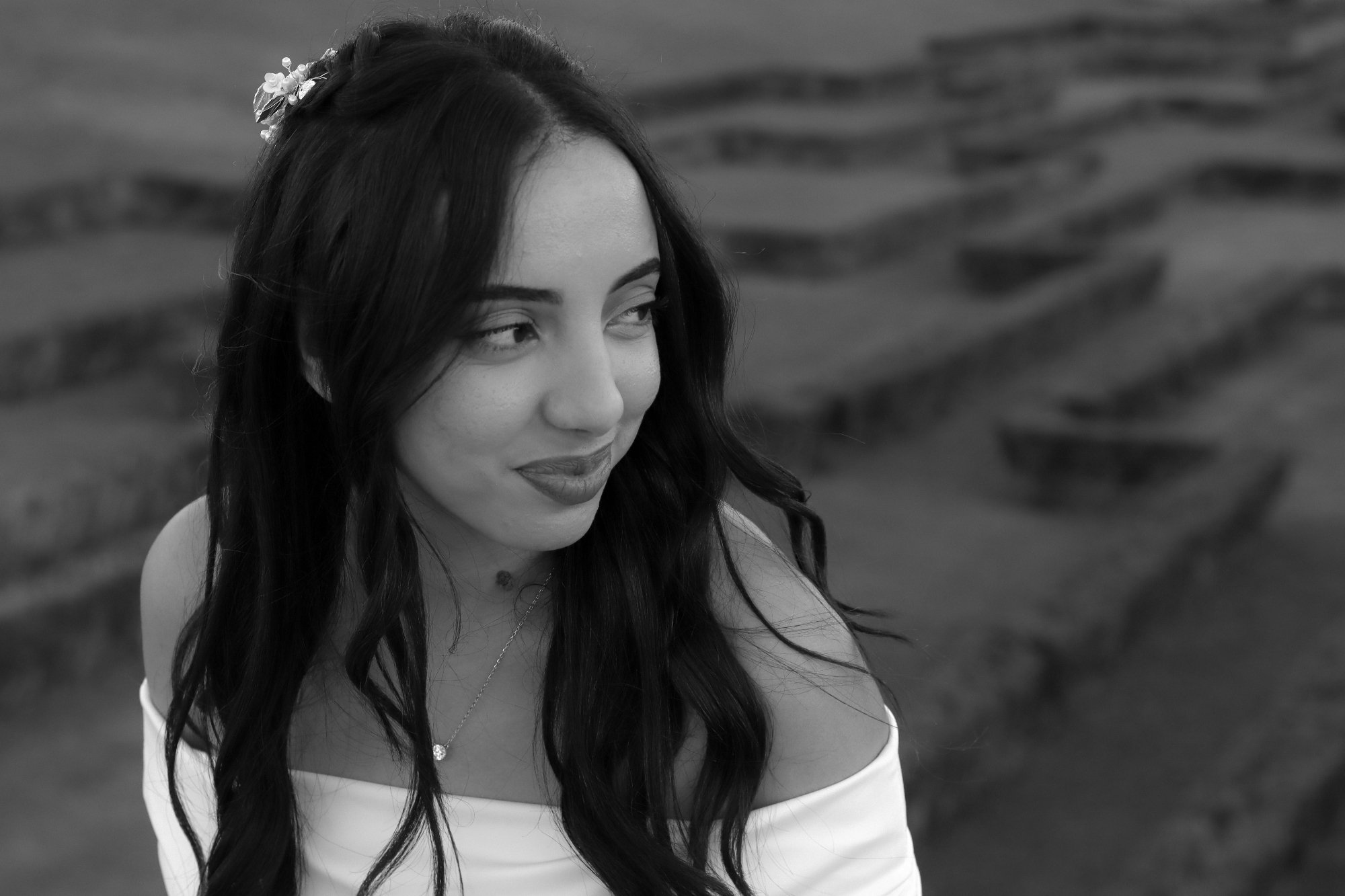
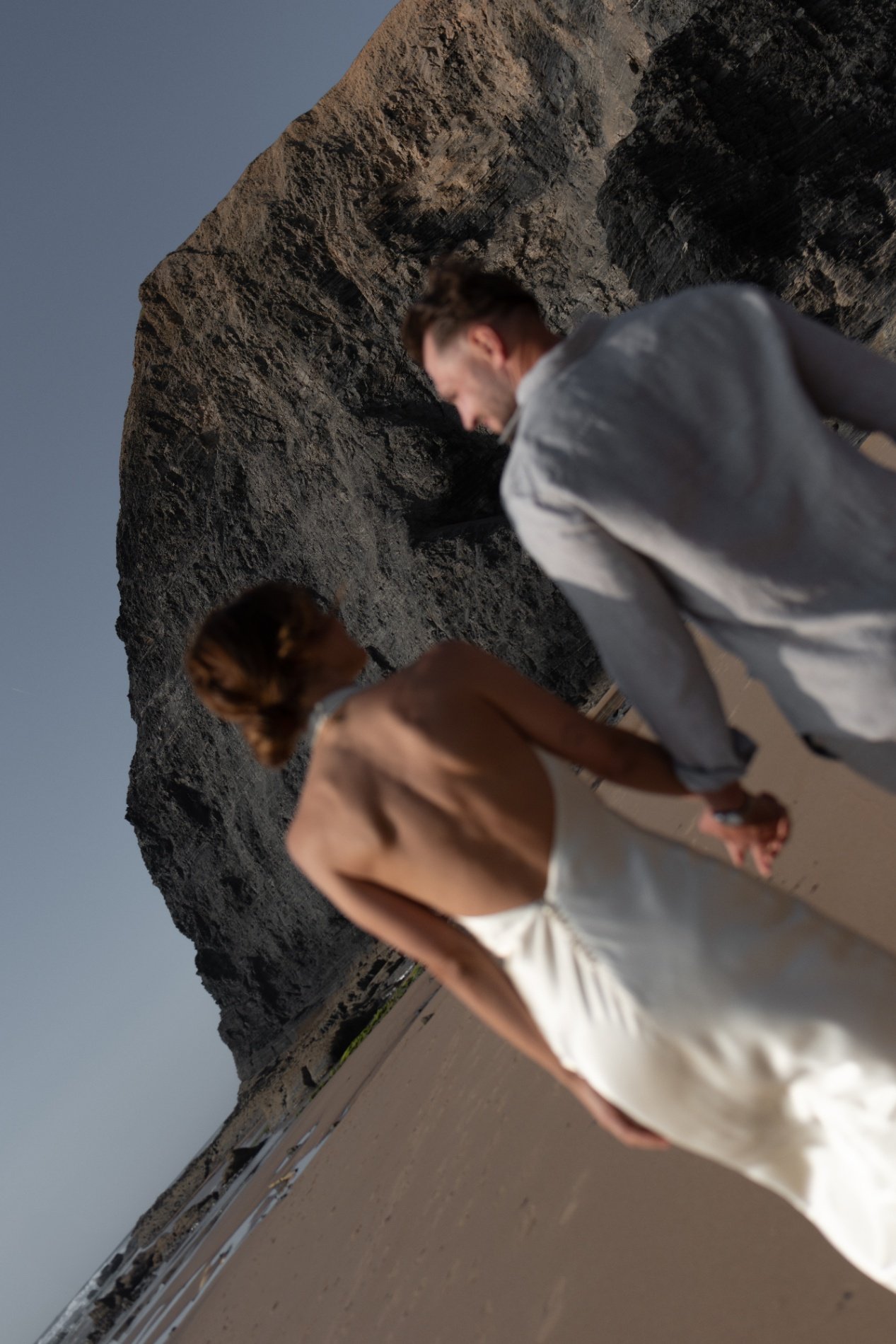
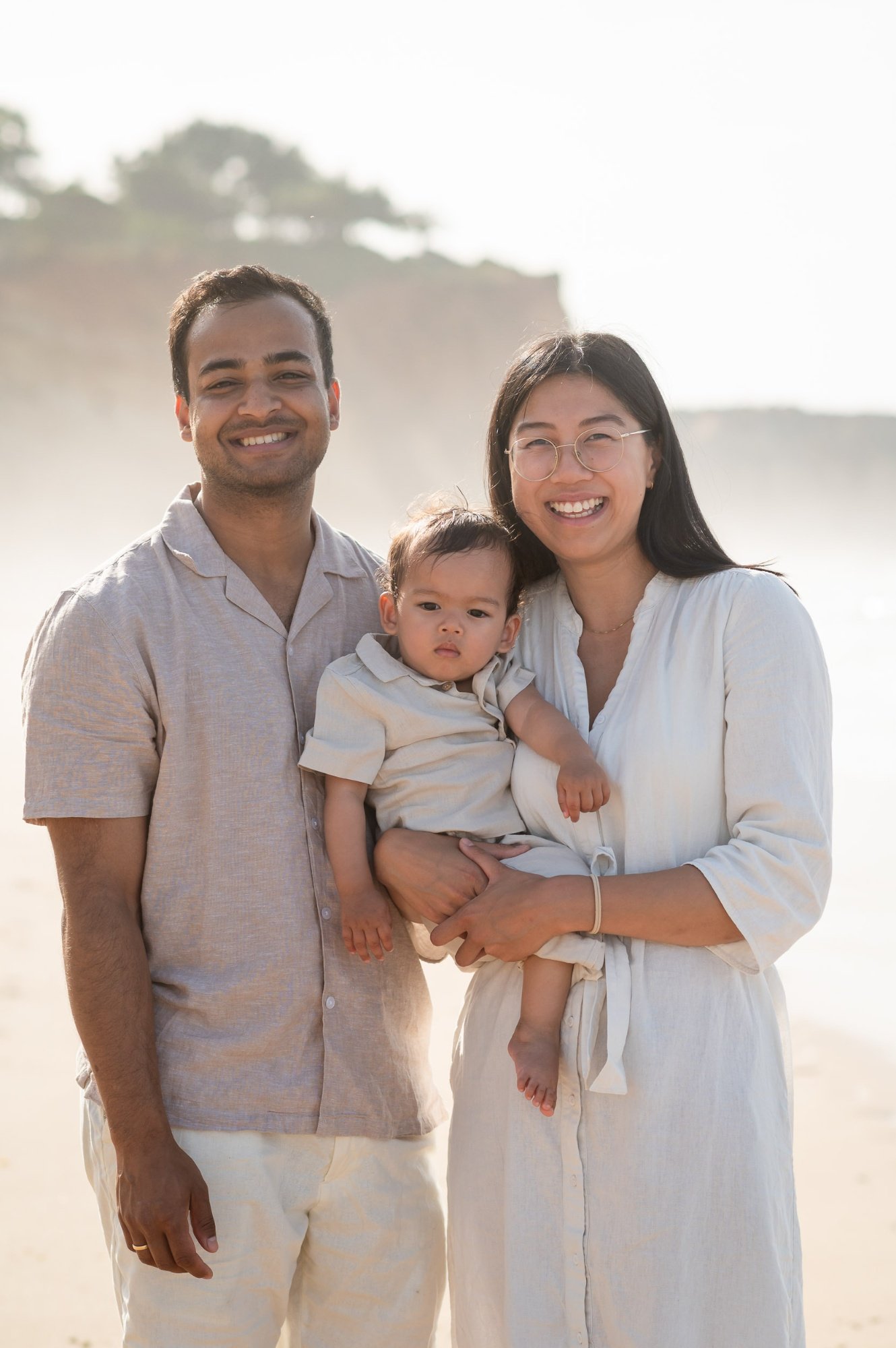
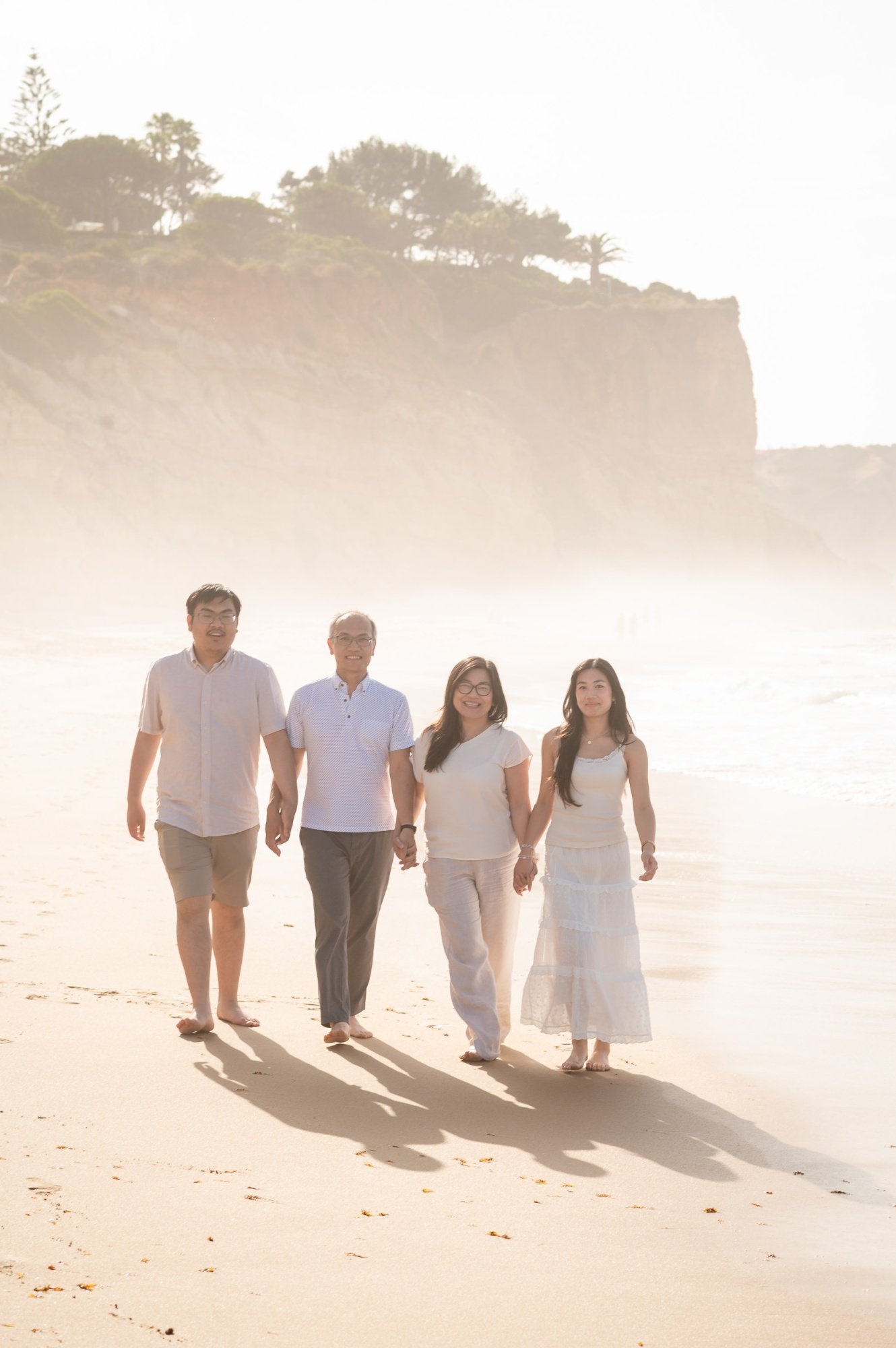
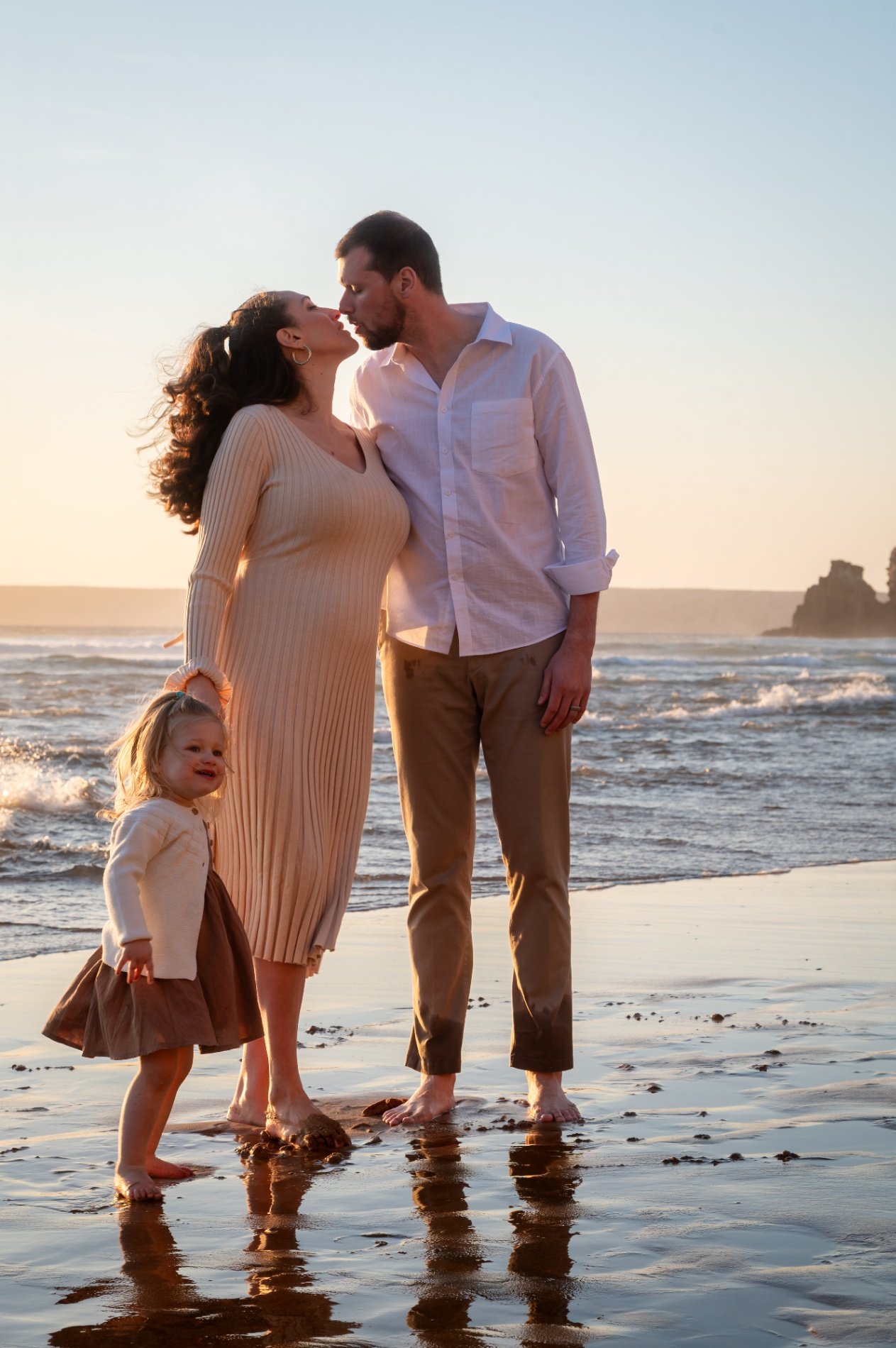
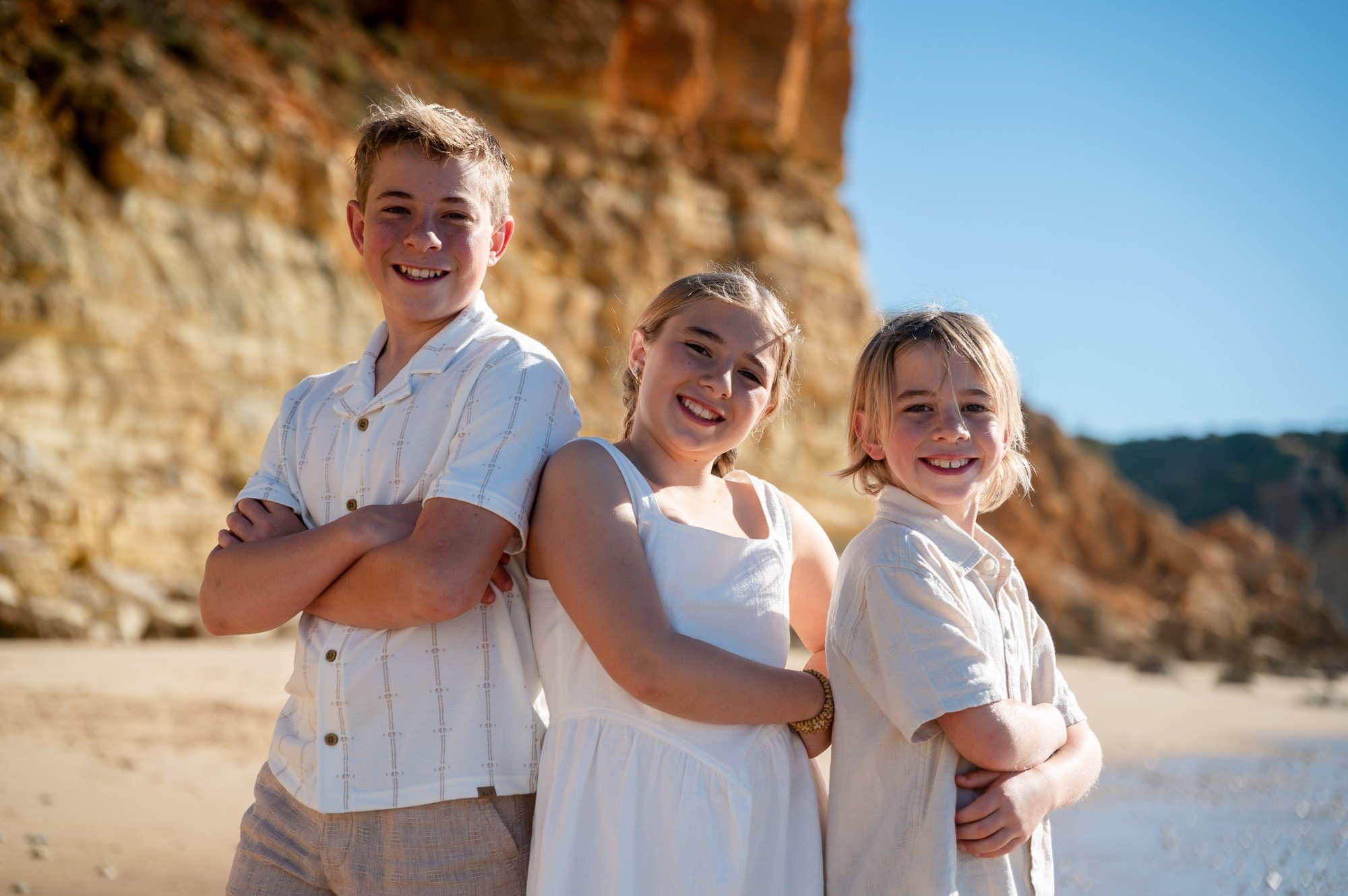
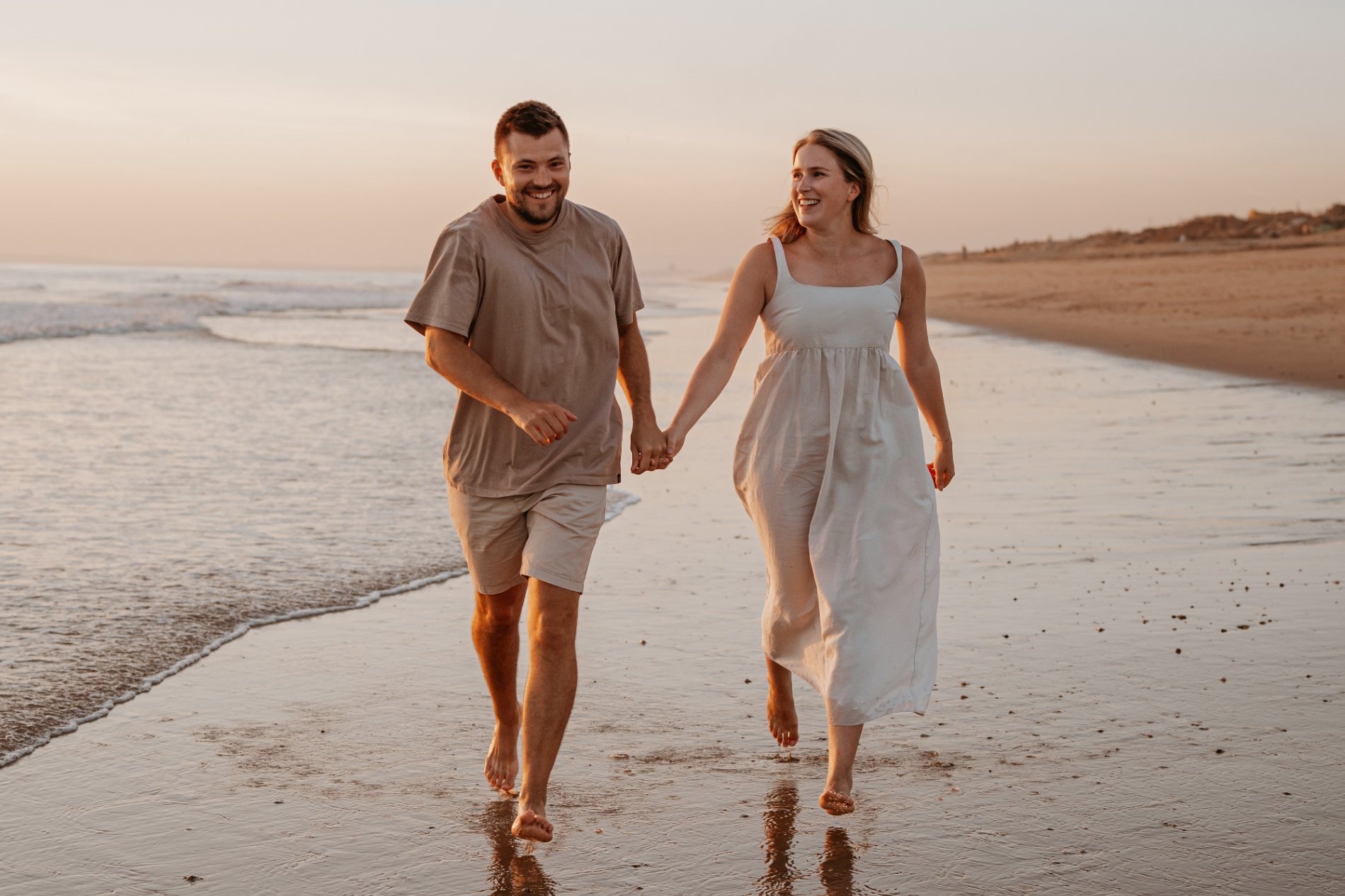
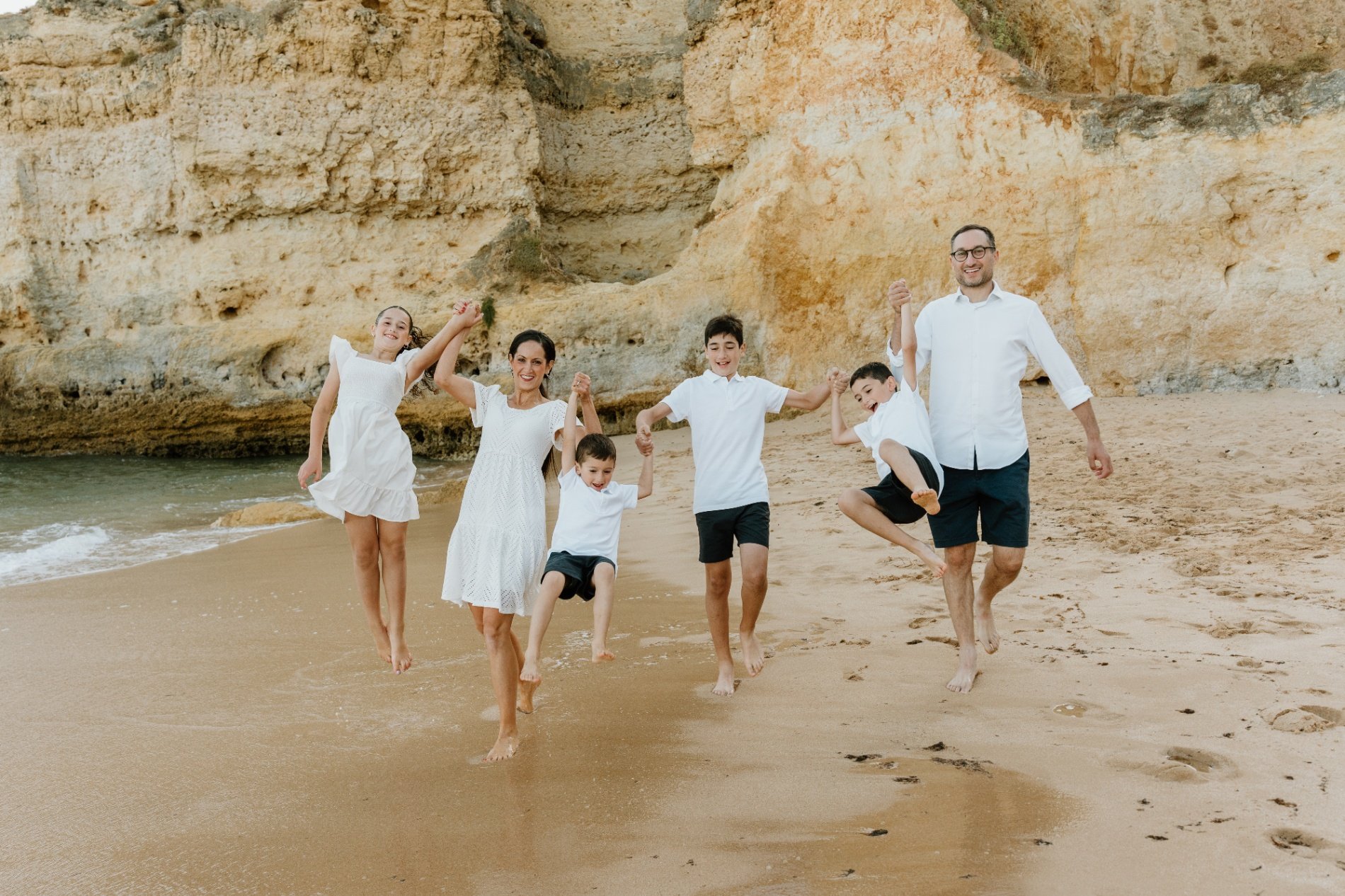
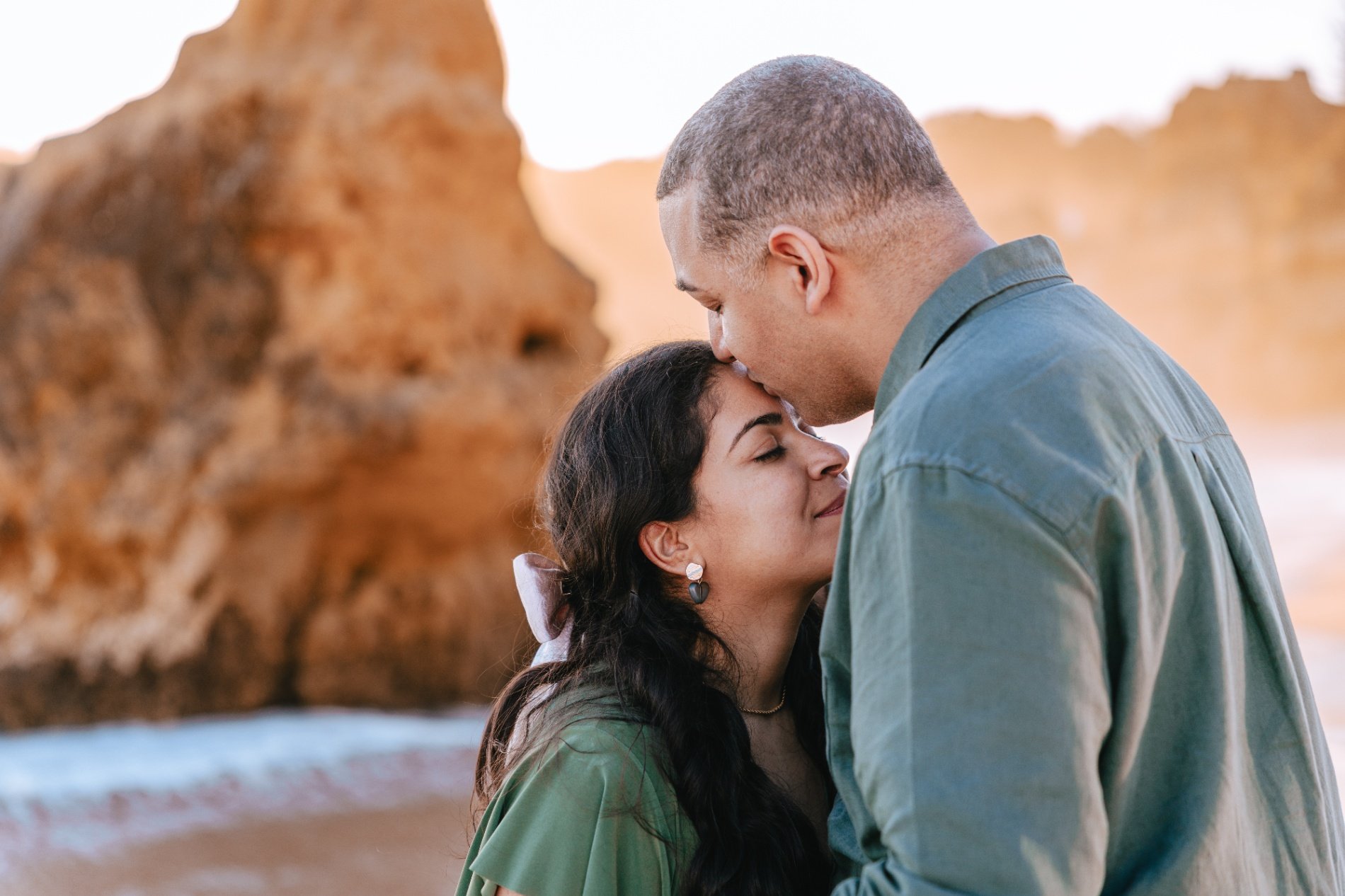
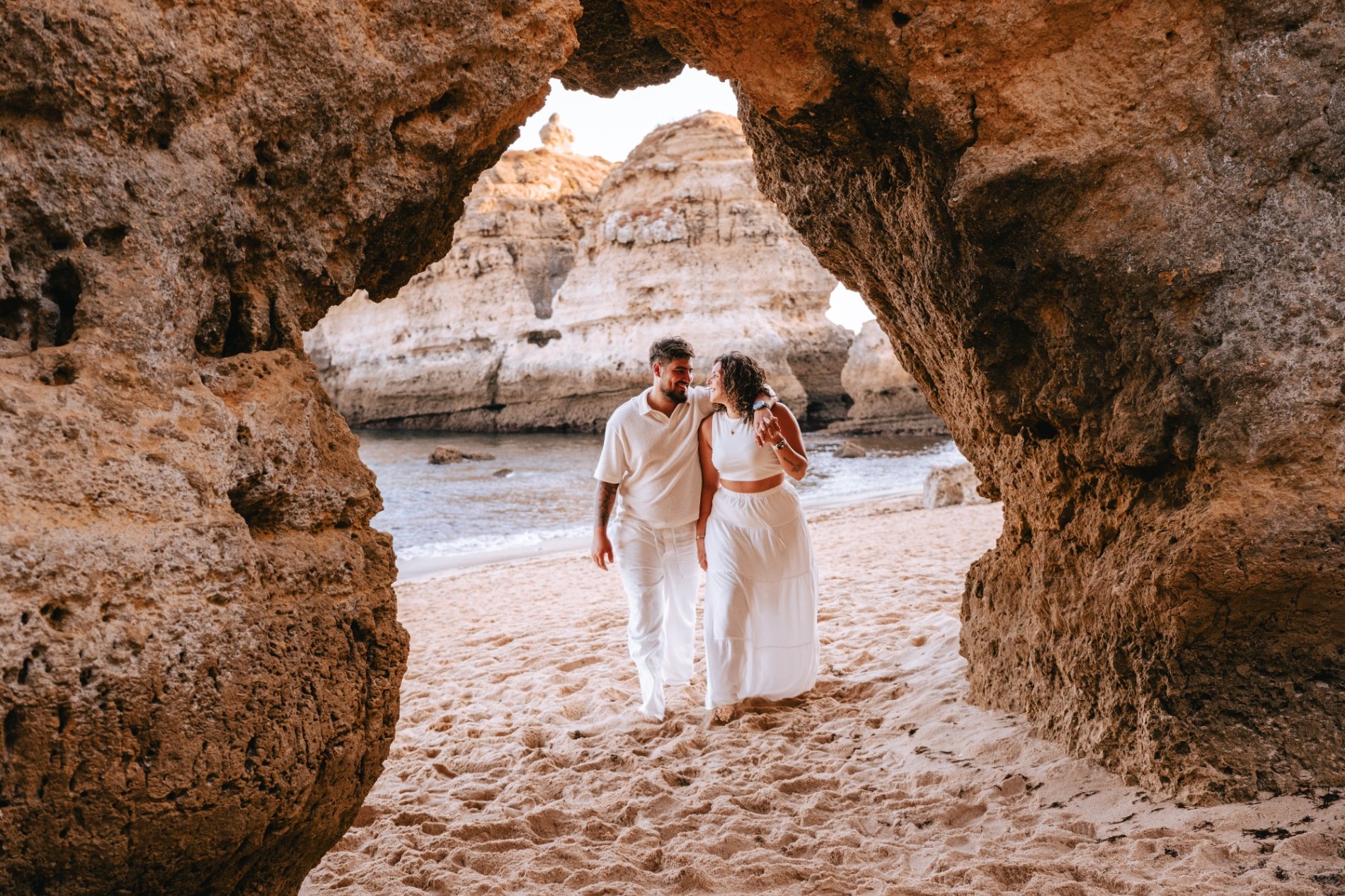
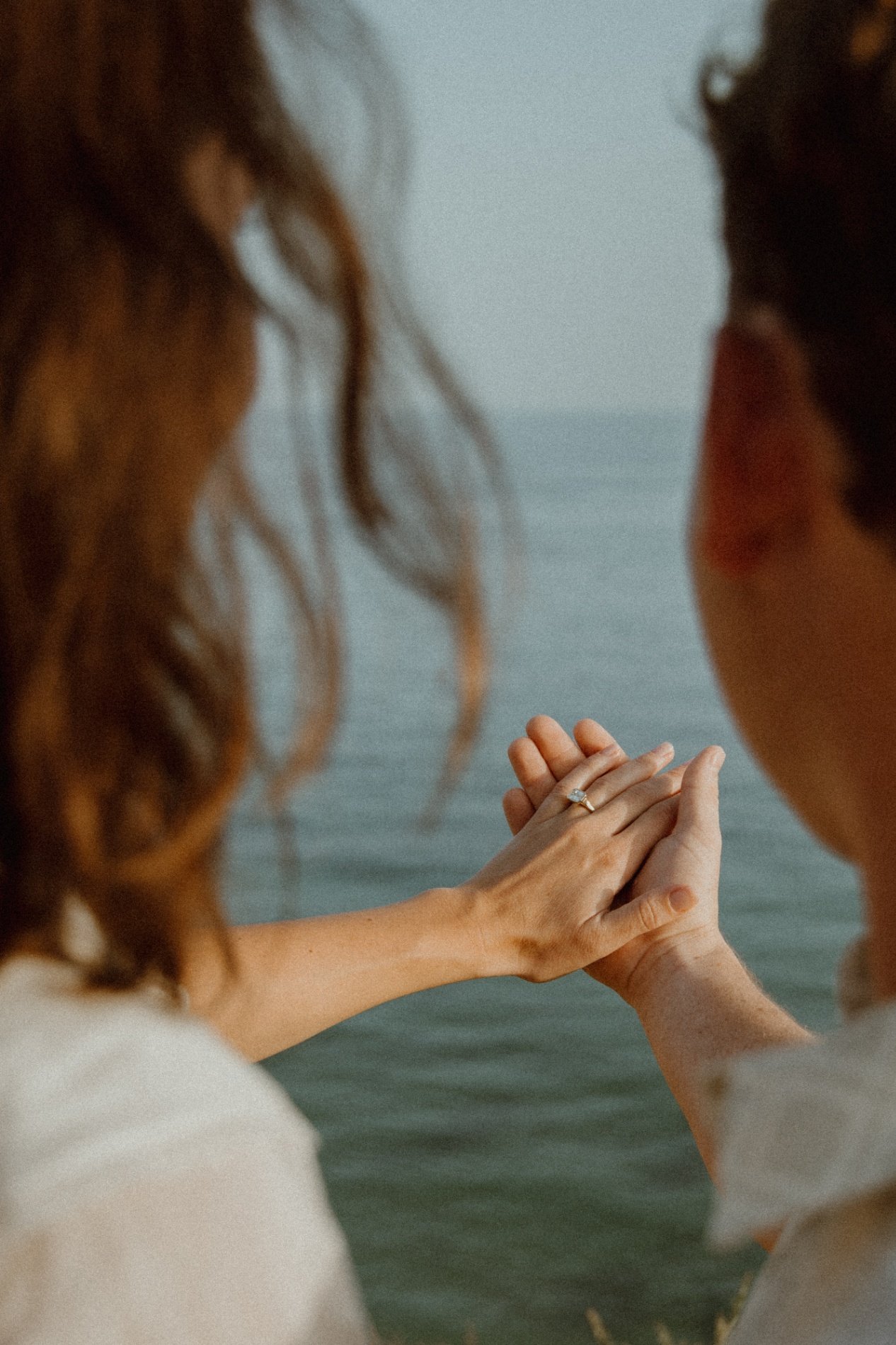
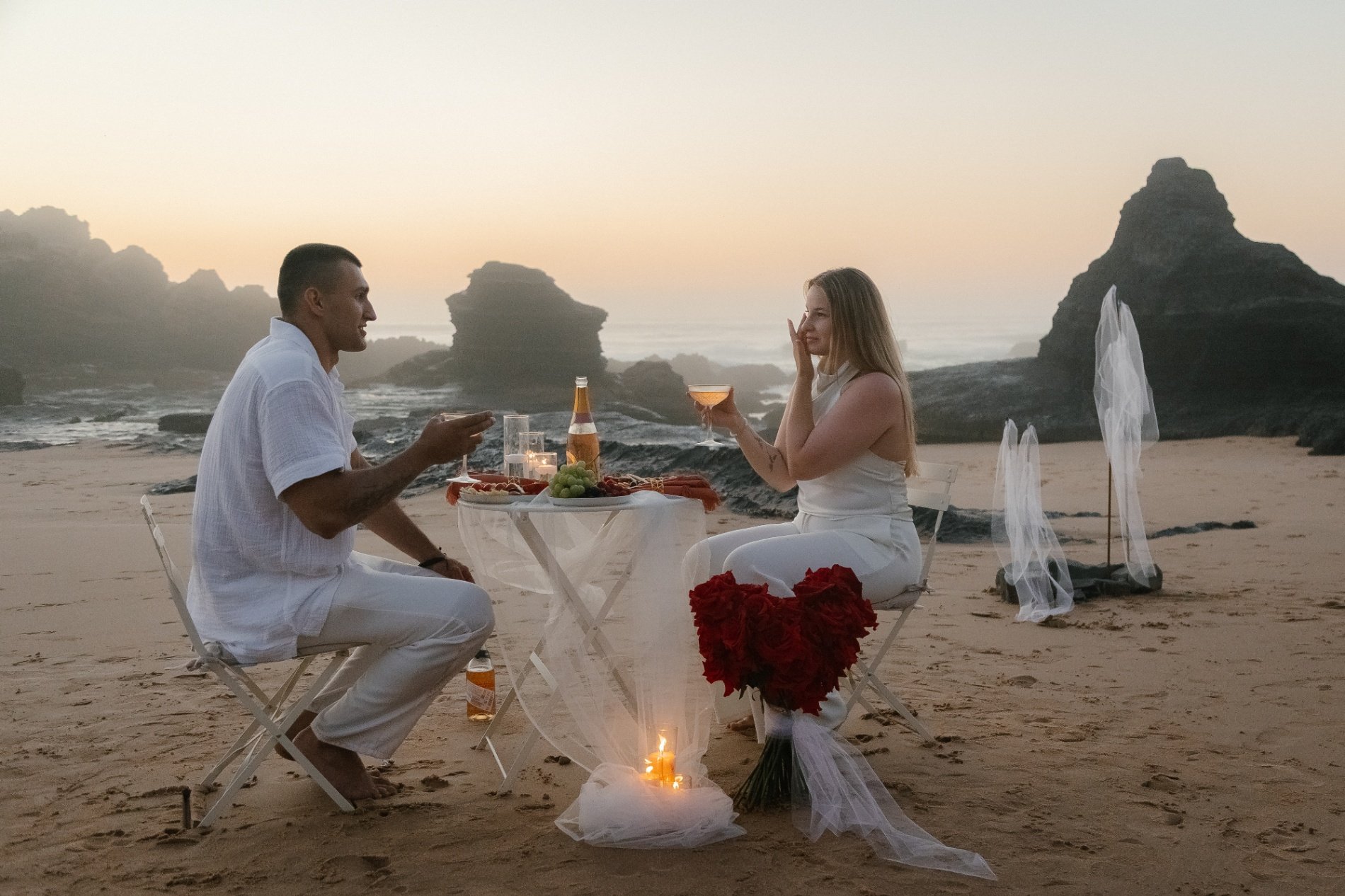
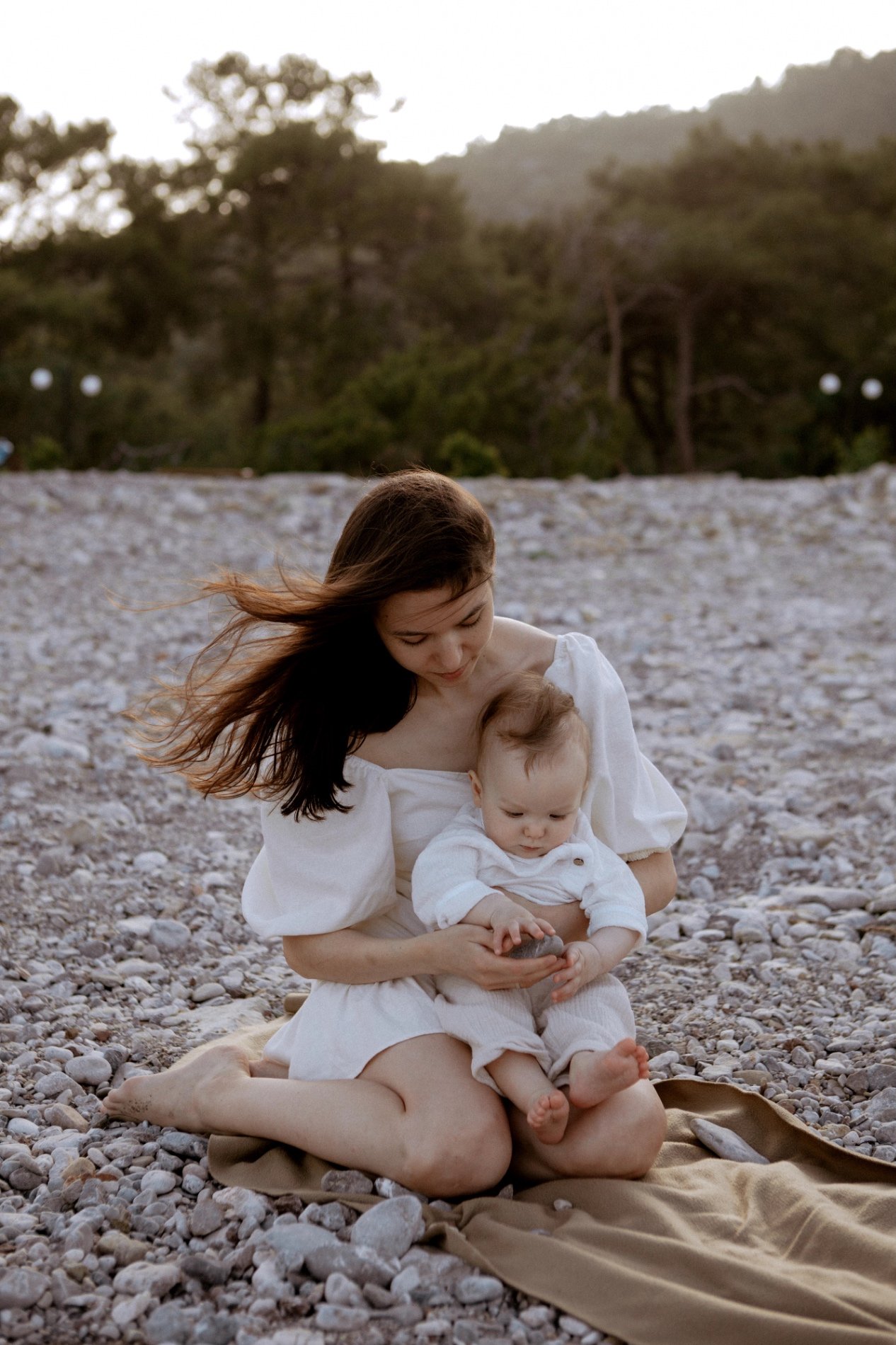
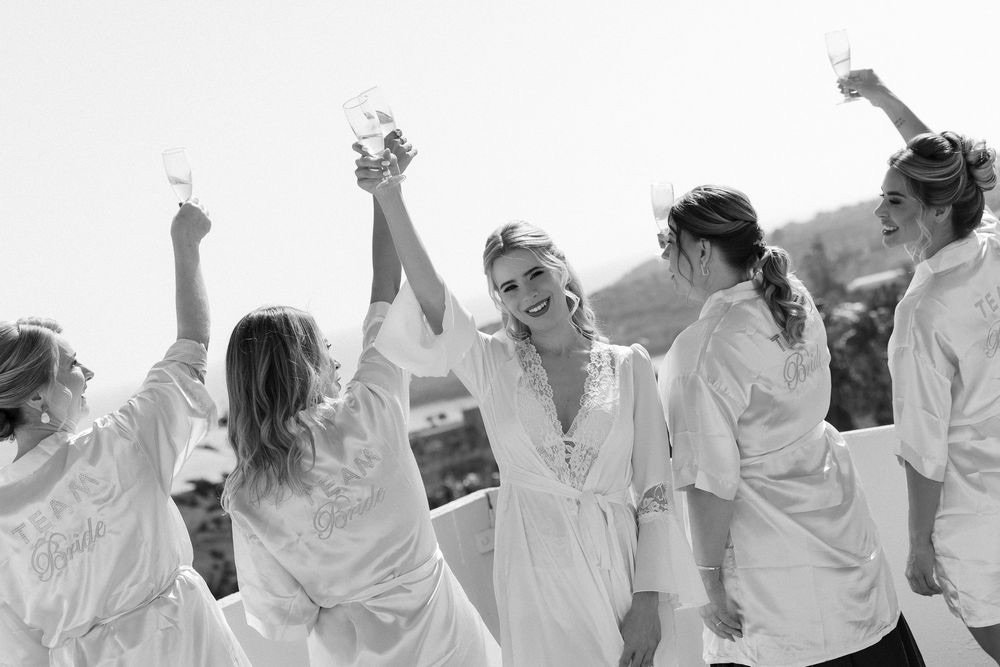
Real shots from Algarve
1. Benagil Cave (Algar de Benagil)
The most famous sea cave in Portugal, and arguably in Europe. Benagil is a cathedral-like cavern with a circular opening in the ceiling that lets in a column of light, illuminating a small beach below. It is genuinely spectacular — the kind of place where you take a photo and wonder if you have accidentally applied a filter.
How to get there: You cannot walk to Benagil Cave. You need to take a kayak, SUP board, or boat tour from Benagil Beach. Kayak gives you the most flexibility for angles, but boat tours get you there without the physical effort.
Best time: Midday, when the sun is directly overhead and the light beam through the ceiling opening is strongest. This is one of the rare photography spots where midday light is actually what you want.
Insider tip: The beach inside the cave is tiny and gets very crowded from boat tours. If you kayak in, you can position yourself in the water for unique angles that land-based visitors cannot get. Early morning kayak tours (before 10am) give you the cave nearly to yourself.
2. Ponta da Piedade
If I had to choose one single spot in the Algarve for photography, this would be it. Ponta da Piedade is a headland near Lagos where the cliffs have been eroded into an impossible maze of arches, pillars, grottos, and turquoise pools. The rock is layered ochre and gold, the water is transparent, and the scale of the formations is breathtaking.
Best angles: The wooden staircase descends to a platform at water level, where you can shoot upward through the arches. From the clifftop, the bird's-eye view down into the turquoise pools is equally striking. A boat tour through the grottos gives you yet another perspective.
Best time: Early morning for soft light and no crowds. Sunset is spectacular but the headland faces south-east, so you get warm side-lighting rather than direct golden light.
Insider tip: Walk west along the clifftop from the main viewpoint. After about five minutes, you will find a series of less-visited formations with practically no one around. The lighthouse at the headland makes a nice compositional anchor.
3. Praia da Marinha
Consistently ranked among the most beautiful beaches in Europe, and it earns the title. Praia da Marinha features a double arch formation (the "M" arch) that rises from the turquoise water, backed by golden cliffs and framed by clear sky. It is the beach you see on every Algarve tourism poster.
Best angles: The clifftop viewpoint gives you the classic postcard composition with the arches and beach below. Descend the stairs to the beach for closer shots of the rock formations. Walk east along the cliff trail (Percurso dos Sete Vales Suspensos) for increasingly dramatic views.
Best time: Early morning or late afternoon. The beach faces south, so midday light is harsh and directly overhead.
Insider tip: The Seven Hanging Valleys Trail, which starts at Praia da Marinha and runs east to Praia de Vale Centeanes, is one of the most photogenic coastal walks in Europe. Every few hundred metres reveals a new jaw-dropping viewpoint.
4. Praia do Camilo
A small cove at the bottom of nearly 200 wooden steps, framed by tall rock pillars and connected to a hidden second beach through a short tunnel in the rock. Praia do Camilo is compact and photogenic — the kind of beach that looks incredible from above and even better once you descend.
Best angles: The staircase itself is the shot — the wooden zigzag descending between golden pillars toward the turquoise water below. From the beach, looking up through the rock pillars frames the sky dramatically.
Best time: Morning light hits the east-facing cliffs and the water is calmest for reflections.
Insider tip: The tunnel connecting the two cove sections is narrow and dark but opens onto a secluded second beach that very few visitors explore. It makes for a great reveal composition — darkness of the tunnel framing the bright beach beyond.
5. Carvoeiro
A compact fishing village built around a small sandy cove, Carvoeiro has the kind of charm that the larger Algarve resorts have lost. White houses with terracotta roofs cascade down to the beach, colourful fishing boats are pulled up on the sand, and the boardwalk carved into the cliffs east of town offers stunning coastal views.
Best time: Late afternoon, when the village is bathed in warm light and the fishing boats create long shadows on the sand. The boardwalk (Percurso Pedestre de Carvoeiro) is best photographed in the hour before sunset.
Insider tip: Walk the boardwalk east to Algar Seco, a series of natural rock pools and formations. There is a carved-out "window" in the rock that perfectly frames the ocean — it is one of the Algarve's most unique natural viewpoints.
6. Albufeira Old Town
Modern Albufeira is a resort town that splits opinion, but the Old Town (Cidade Velha) is a genuine gem. Narrow cobblestone streets, whitewashed buildings, hand-painted tiles, bougainvillea cascading over doorways — it is the Algarve's answer to Alfama. The contrast between the old quarter and the beach below creates interesting visual tension.
Best time: Early morning, when the streets are empty and the light is soft. By midday, the tourist crowds make it difficult to get clean compositions.
Insider tip: The elevator and tunnel that connect the old town to Pescadores Beach (Fisherman's Beach) provide an unusual transition from narrow streets to open ocean that photographs well as a sequence.
7. Tavira
Often called the most beautiful town in the Algarve, and it is easy to see why. Tavira straddles the Gilão River, connected by a Roman bridge, and its skyline is defined by 37 church towers. The town has managed to avoid the overdevelopment that characterises much of the coast, retaining a genuine Portuguese character with cobbled streets, tiled facades, and a relaxed pace.
Best angles: The Roman bridge with the town reflected in the river is the classic composition. The castle ruins offer an elevated view over the rooftops and church towers. The covered market (Mercado Municipal) is photogenic inside and out.
Best time: Golden hour, when the warm light catches the tiled facades. Tavira faces roughly north-south along the river, so both sunrise and sunset provide good side-lighting.
Insider tip: Take the ferry to Ilha de Tavira for a completely different atmosphere — a long, wild beach backed by sand dunes and accessed through a small fishing settlement. The contrast with the town is striking.
What clients say about this kind of shoot
Wonderful photographer! She took beautiful photos that we loved. Also went above and beyond to be flexible and work with us. 100% recommend!
— Client on Nadiya K.
Nadya, you’re simply magical ✨ I keep looking at the photos over and over again! Thank you so much for being you! I’m so happy I didn’t give up while looking for a photographer. We came to Portugal for the first time with our friends, and I was looking for someone who would be able to truly see us, to feel us! And I don’t regret for a single moment that I trusted you. Thank you from the bottom of my heart ❤️
— Client on Nadiya K.
Engagement Photoshoot Experience
Isa was wonderful! She was kind, friendly, professional, and a great communicator throughout the entire experience. She gave us clear directions and made everything very easy and stress-free. She was incredibly welcoming and went above and beyond to make sure we were taken care of. We really appreciated her hospitality and would absolutely recommend Isa to others.
— Andrew Draper on Isa M.
I've had a look at them myself already! Wonderful photos! They turned out so warm and heartfelt! Thank you so much! You've captured these memories for us. They turned out so beautiful!!
— Client on Nadiya K.
Nadya! This is incredible…😭❤️ I was looking at the photos, and I had tears of happiness from the immense gratitude I feel towards you for giving my parents unforgettable emotions ❤️🙏🏻 Thank you! My parents are absolutely thrilled!
— Client on Nadiya K.
Rafael is an excellent professional! As well as doing great work, above expectations, he is also very friendly, attentive, and always leaves the client happy. I highly recommend him!
— Via Infinda on Rafael T.
8. Praia da Falésia
This beach stretches for six kilometres along the base of red and orange sandstone cliffs that look like a geological layer cake. The cliff face changes colour throughout the day as the light shifts — from pale gold in the morning to deep rust at sunset. It is less about individual landmarks and more about the sheer scale and colour of the landscape.
Best time: Late afternoon through sunset, when the cliffs turn their deepest orange-red. The beach runs roughly east-west, so sunset light hits the cliff face directly.
Insider tip: Access the beach from the eastern end (near Olhos de Água) rather than the main access point. You will have the cliffs to yourself and the walking is easier on the hard-packed sand near the water line.
9. Cape Saint Vincent (Cabo de São Vicente)
The south-western tip of Europe, where the Algarve ends and the Atlantic begins. Cape Saint Vincent is a windswept headland with a lighthouse, dramatic 75-metre cliffs, and a sense of raw finality — this is where the known world ended for medieval Europeans.
Best angles: The lighthouse against the sunset sky is the classic shot. Walk along the northern cliff edge for views back toward the headland that show its full scale. The tiny Fortaleza de Sagres, a few kilometres east, provides a complementary viewpoint with its own dramatic clifftop setting.
Best time: Sunset, without question. Cape Saint Vincent faces west, and on clear evenings the sky puts on a show that feels earned after the drive to get there.
Insider tip: The "last bratwurst before America" van in the car park is not a joke — it has been there for decades and is a local landmark. Include it in a shot for some self-aware humour.
Planning Your Algarve Photography Trip
The Algarve is best explored by car — distances between spots are manageable, but public transport is limited along the coast. A three-day trip gives you time to cover the highlights without rushing.
If you want a local photographer who knows the tides, the light, and the hidden coves that the tour boats skip, browse our Algarve photographers and book a session that does this extraordinary coastline justice.
Frequently Asked Questions
What is the single best photo spot in the Algarve?
Ponta da Piedade in Lagos is widely considered the Algarve most spectacular photo location, with its golden sea stacks, grottos, turquoise water, and dramatic cliff formations visible from the top. The wooden boardwalk and stairs leading down to the water provide multiple shooting angles. Sunset here is extraordinary, with the west-facing cliffs catching the final golden light while waves crash against the rocks below.
Can I visit multiple Algarve photo spots in one day?
Yes, the main photogenic coast stretches from Lagos in the west to Albufeira in the east, covering about 60 kilometers that take roughly an hour to drive. A car is essential for covering multiple spots efficiently. A typical full-day photo route starts at Ponta da Piedade at sunrise, moves to Praia do Camilo, then Benagil area for midday, and finishes at Praia da Marinha or Carvoeiro for sunset.
Do I need a car to reach Algarve photo spots?
A rental car is highly recommended since the best photo locations are spread along the coast and not well connected by public transport. Car rental in the Algarve starts from about 25 euros per day, and free parking is available near most beaches and cliff viewpoints. Without a car, you can reach some spots by taxi from towns like Lagos, Carvoeiro, or Albufeira, but costs add up quickly.
Are the Algarve cliffs safe for a photoshoot?
The cliff edges are unfenced in most locations and the sandstone can be unstable, so staying well back from the edge is essential. Your photographer will know the safe positions that still deliver dramatic compositions without risk. Wear closed-toe shoes with grip rather than flip-flops, especially at locations like Ponta da Piedade where the boardwalk ends and natural rock paths begin. Never climb over safety barriers for a photo.
What is the best time of year to photograph the Algarve?
Spring (April to May) and early autumn (September to October) offer the best conditions, with warm weather, manageable crowds, and spectacular golden light. The wildflowers blooming along the cliff tops in spring add beautiful color to landscape shots. Summer is gorgeous but crowded, requiring very early or late sessions. Even winter offers drama with storm waves, moody skies, and temperatures around 16 degrees that keep photography comfortable.
Ready to Book?
Find photographers in the Algarve, or explore Lisbon, Porto, and Cascais. See pricing and packages or browse all photographers across Portugal.
Want professional photos in the Algarve?
Browse portfolios, compare packages, and book a verified local photographer in minutes.